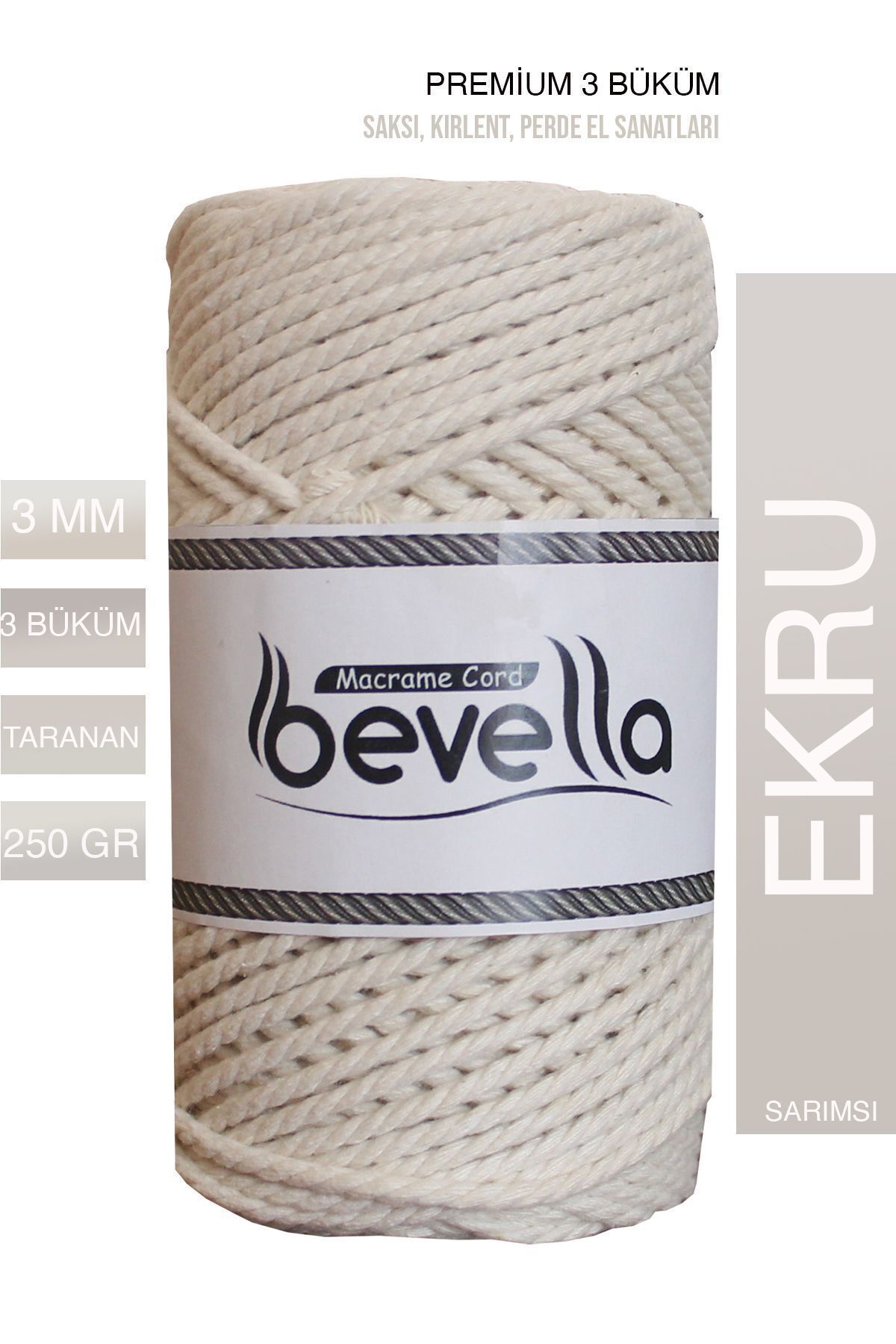
Paracord for Macrame and Crafts: Projects, Differences and Outdoor Durability
Paracord has become one of the most widely sold crafting cords in the world. According to the Outdoor Industry Association, the paracord accessories market in the US alone exceeded $280 million in retail sales in 2024, driven by both survival enthusiasts and everyday crafters who love its tight, durable braid. But is paracord actually good for macrame? The answer is nuanced, and this guide covers everything you need to know.
- 550 paracord has a minimum breaking strength of 550 lbs per US MIL-C-5040H military specification.
- Paracord suits functional, load-bearing craft projects better than decorative macrame wall art.
- Inner strands (7 nylon cores) can be removed and used independently for finer work.
- Melting ends with a lighter is the correct way to seal paracord and prevent fraying.
- For soft, natural-looking macrame, cotton twisted cord remains the better material choice.
For context on how paracord relates to traditional macrame cord, see our overview of what macrame cord is.
What Exactly Is Paracord?
Paracord, short for parachute cord, was originally developed for the US military. The standard type known as 550 paracord must meet MIL-C-5040H specifications, meaning it withstands a minimum breaking strength of 550 pounds (approximately 249 kg). The Paracord Planet sourcing reports that genuine Type III 550 paracord contains 7 inner nylon strands wrapped in a tightly braided outer sheath.
Those 7 inner strands are what make paracord uniquely useful for crafters. Each strand is itself a twisted 2-ply yarn that you can pull out and use separately. So one meter of 4mm paracord effectively gives you one meter of outer sheath plus 7 thin nylon cords measuring around 0.7mm each.
The outer sheath is woven in a diagonal pattern, giving paracord its characteristic smooth, dense look. This is fundamentally different from the open, twisted structure of macrame cord. That structural difference determines which projects each cord handles well.
Paracord Types and Their Specs
Not all paracord is 550. The International Paracord Association recognizes several types based on minimum breaking strength and strand count. Type I (95 lb) and Type II (425 lb) are thinner and less common for crafts. Type III (550 lb) is what most crafters buy. Type IV (750 lb) exists for heavy-duty applications. Micro cord, at roughly 1.18mm, is used for fine jewelry and detailed knotwork.
| Type | Diameter | Inner Strands | Min. Break Strength | Best For |
|---|---|---|---|---|
| Micro (Type I) | 1.18mm | 1 | 95 lb | Jewelry, fine knotwork |
| Type II | 3mm | 5 | 425 lb | Lanyards, lightweight bags |
| Type III (550) | 4mm | 7 | 550 lb | Bracelets, keychains, straps |
| Type IV | 5-6mm | 11 | 750 lb | Load-bearing handles, leashes |
| Tactical (Heavy) | 6mm+ | 11-13 | 850 lb+ | Professional gear, heavy straps |
How Does Paracord Compare to Traditional Macrame Cord?
Paracord and macrame cord serve genuinely different purposes, though both involve knotting. According to Craft Industry Alliance's 2023 materials survey, 68% of macrame artists reported preferring cotton twisted cord for wall hangings while 42% used paracord specifically for utility and wearable projects. The fiber, structure, and knot behavior differ significantly between the two.
Paracord's tightly braided nylon sheath resists abrasion and UV degradation far better than unbleached cotton macrame cord. A 2023 materials durability comparison by Gear Lab showed nylon paracord retaining 91% of its tensile strength after 500 hours of UV exposure, while cotton cord lost roughly 34% of strength under the same conditions.
| Property | 550 Paracord (Nylon) | Cotton Macrame Cord |
|---|---|---|
| Texture | Smooth, dense, slightly stiff | Soft, fuzzy, pliable |
| Knot grip | Slippery when first tied | Grips well, holds shape |
| Fraying | Melts cleanly with heat | Frays unless glued or whipped |
| Stretch | Minimal (nylon sheath limits stretch) | Some stretch when wet |
| UV resistance | High (91% strength after 500h) | Low (degrades in direct sun) |
| Best for | Functional, utility projects | Decorative, textile projects |
| Aesthetic | Sporty, military, modern | Bohemian, natural, artisan |
| Eco credential | Synthetic, not biodegradable | Biodegradable if undyed |
| Price (per meter) | Lower in bulk | Varies widely by quality |
For a direct fiber comparison that puts paracord in context, see our cotton macrame cord guide and polyester cord guide.
What Are the Best Paracord Craft Projects?
The most popular paracord craft projects lean toward functional items rather than purely decorative ones. A 2024 Pinterest Trends report showed paracord keychains and survival bracelets among the top 15 trending DIY craft categories, with over 2.3 million saves for paracord bracelet tutorials alone. The projects below range from beginner to intermediate skill levels.
1. Paracord Keychain
The keychain is the ideal beginner project. You need roughly 60-90 cm of 4mm 550 paracord and a metal split ring or clip. The cobra knot (also called the Solomon bar) is the standard stitch. A finished keychain uses approximately 30 knots and takes around 20-30 minutes for a first-timer.
2. Paracord Survival Bracelet
The survival bracelet stores 2-4 meters of usable cord in a wearable format. Standard wrist bracelets require about 3.5 meters of 4mm paracord for a 7-inch wrist. Many patterns include a buckle that can also double as a fire starter or compass mount. The bracelet unravels quickly when you need the cord for emergency use outdoors.
3. Paracord Dog Leash
A handmade dog leash requires 12-18 meters of paracord depending on length and pattern density. The square knot or cobra pattern creates a comfortable, grippy handle. For dogs over 25kg, use Type IV (750 lb) paracord rather than standard 550. Stainless steel snap hooks rated to at least 150kg are the correct hardware choice for safety.
4. Camera Strap
Camera straps made from 550 paracord can support DSLR bodies weighing up to 1.5kg comfortably. A typical neck strap needs about 6-8 meters of cord plus nylon webbing reinforcement at the connection points. The flat braid (fishtail) pattern works best here because it lies flat against the neck without twisting.
5. Paracord Bag Handle
Bag handles require structural stability under load. A 30cm handle typically uses 4-6 meters of paracord wrapped around a rigid core (a strip of nylon webbing or a length of stiff cord works well). The handle wrap technique covers the core completely, creating a grippy, attractive finish that protects the underlying material from wear.
6. Neck Lanyard
Office and event lanyards made from paracord last years longer than the standard thin polyester versions. A basic lanyard needs approximately 2.5 meters of 4mm cord. A breakaway safety clip is strongly recommended for neck lanyards to prevent injury if the cord catches on something.
7. Tool Handle Wrap
Wrapping hammer, knife, or knife handle grips in paracord is a traditional bushcraft technique. The handle wrap improves grip, protects the underlying handle from moisture, and stores emergency cord. Roughly 3-5 meters of paracord covers a standard 30cm handle. Secure both ends by melting and pressing flat before the nylon cools.
8. Emergency Bracelet with Fire Starter
This advanced version of the survival bracelet integrates a small ferro rod and striker into the buckle assembly. The paracord stores approximately 3 meters of usable cord. The inner strands, once removed, can serve as tinder. This project has become especially popular in the bushcraft and hiking communities, where preparedness-focused gear is standard.
For cord finishing and end-sealing techniques that apply to paracord projects, see our macrame finishing techniques guide.
How Do You Use Paracord's Inner Strands?
Removing the inner strands from paracord opens up a second set of crafting possibilities entirely. Each of the 7 inner strands measures approximately 0.7mm in diameter. Craft and survival educators at ITS Tactical (a widely cited paracord resource) have documented at least 37 distinct uses for paracord inner strands, from emergency sutures to fishing line to fine jewelry cord.
To remove the strands, grip one end of the paracord and gently push the outer sheath down the cord, bunching it up like a sleeve. Then pull the inner strands out from the bunched end. Alternatively, cut a short piece and use tweezers to pull strands from the cut end. The hollow outer sheath left behind is sometimes used as a bracelet base or as a thin cord in its own right.
How Do You Safely Finish Paracord Ends?
Paracord ends must be sealed to prevent unraveling. Unlike cotton cord, which frays into soft fibers, nylon paracord melts cleanly when exposed to flame. The American Red Cross First Aid guidelines note that working with open flames requires keeping a glass of water nearby and working on a non-flammable surface. Always melt paracord ends in a ventilated area, as burning nylon releases small amounts of irritating fumes.
The technique itself is simple. Hold the cut end 2-3 cm from a lighter flame for 1-2 seconds until the nylon begins to soften and fuse. Immediately press the melted end flat against a smooth metal surface (a knife blade works well) or use a moistened fingertip to shape the molten tip into a neat cap. Allow 10 seconds for it to cool before handling. Don't touch the melted end immediately as it remains hot enough to burn skin.
We've found that a candle flame produces slightly more control than a lighter for beginners because the heat is steadier. Holding the cord higher above the flame gives you more time to react before the nylon melts too much.
Which Paracord Diameter Is Right for Your Project?
Diameter selection is one of the most common areas where beginners go wrong with paracord. According to the Paracord Store's buyer education resources, 4mm (Type III 550) accounts for roughly 75% of all paracord craft purchases because it balances workability with strength for most applications. Thinner cords make finer knots while thicker cords create bulkier, more durable results.
| Diameter | Typical Use | Cord Needed (avg. project) |
|---|---|---|
| 1.18mm (micro) | Jewelry, fine detail knotwork | 50-150 cm |
| 2mm | Thin bracelets, lanyards | 100-250 cm |
| 3mm | Keychains, small accessories | 60-150 cm |
| 4mm (550) | Bracelets, dog leashes, straps | 200-600 cm |
| 5mm | Bag handles, camera straps | 400-900 cm |
| 6mm | Heavy-duty handles, large gear | 600-1200 cm |
Is Paracord a Good Choice for Outdoor Macrame?
For outdoor projects where durability matters more than soft texture, paracord outperforms cotton macrame cord significantly. The Gear Lab UV durability study cited above found that nylon paracord retains structural integrity in direct sunlight far longer than natural fibers. Outdoor plant hangers, garden decorations, or any piece exposed to rain benefit from paracord's water resistance and rot-proof nylon construction.
The drawback is aesthetic. Paracord doesn't have the natural, bohemian texture that macrame artists typically want. The knots look different too. Square knots pull tight on paracord's smooth sheath and can slip without a locking knot underneath. Half-hitch spirals work reasonably well, as do overhand knots, but the lush, textured look of a cotton fringe is simply not achievable with paracord.
A hybrid approach works well for outdoor functional pieces: use paracord for the structural framework and small accents of cotton twine for the decorative fringe sections. The structural cord handles the load and weather while the cotton delivers the visual warmth. Replace the cotton fringe seasonally if needed.
For a full range of weatherproof project ideas using paracord and similar materials, see our outdoor macrame projects guide.
Frequently Asked Questions
Can I use paracord for macrame wall hangings?
You can use paracord for macrame wall hangings, but results differ from cotton. The smooth nylon sheath makes knots slide and requires additional locking knots to hold. The texture is sporty and modern rather than soft and natural. According to Craft Industry Alliance's 2023 survey, 68% of macrame artists prefer cotton twisted cord specifically for wall art because it holds shape without extra securing. Paracord suits outdoor or functional wall pieces better than decorative textile art.
What is the difference between Type II and Type III paracord?
Type II paracord has 5 inner strands and a minimum breaking strength of 425 pounds. Type III (550 paracord) has 7 inner strands and a minimum breaking strength of 550 pounds per MIL-C-5040H specifications. For most craft projects, Type III is the standard choice because it's widely available, competitively priced, and offers ample strength. Type II suits thinner lanyards and lighter accessories where bulk reduction matters more than maximum load capacity.
How do I stop paracord ends from fraying?
Melt paracord ends with a lighter flame held 2-3 cm from the cord for 1-2 seconds. Press the softened nylon flat immediately using a metal surface or a moistened fingertip. This fuses the fibers into a solid cap that won't unravel. Always work in a ventilated space since burning nylon releases mild irritating fumes. Never cut paracord with scissors alone and leave the end unsealed, as it will begin to unravel within days of handling.
How much paracord do I need for a dog leash?
A standard 1.2-meter dog leash requires approximately 12-15 meters of 4mm 550 paracord using the cobra knot pattern. A 1.8-meter leash needs roughly 18-22 meters. Add 2-3 meters extra for the hand loop and any decorative knotwork at the handle end. For dogs over 25kg, use Type IV (750 lb rated) paracord rather than standard 550, and verify that your snap hook hardware is rated for at least 150kg before attaching to the dog's collar.
Can paracord be used for plant hangers outdoors?
Yes. Paracord is one of the best cord choices for outdoor plant hangers specifically because nylon resists UV degradation and moisture far better than cotton or jute. Gear Lab's durability study showed nylon paracord retaining 91% tensile strength after 500 hours of UV exposure. Use Type III or Type IV depending on the weight of the pot. Pair with a stainless steel or powder-coated hook rated to at least three times the pot's filled weight for safe hanging.
Is paracord safe for children's craft projects?
Standard 550 paracord is generally safe for supervised crafting with children aged 10 and older. The main risks are the flame-sealing step (which should only be done by adults) and small buckle hardware that poses a choking hazard for young children. The Consumer Product Safety Commission guidelines recommend keeping small craft hardware away from children under 3. Use plastic craft clips rather than metal hardware for children's versions of bracelet or keychain projects.