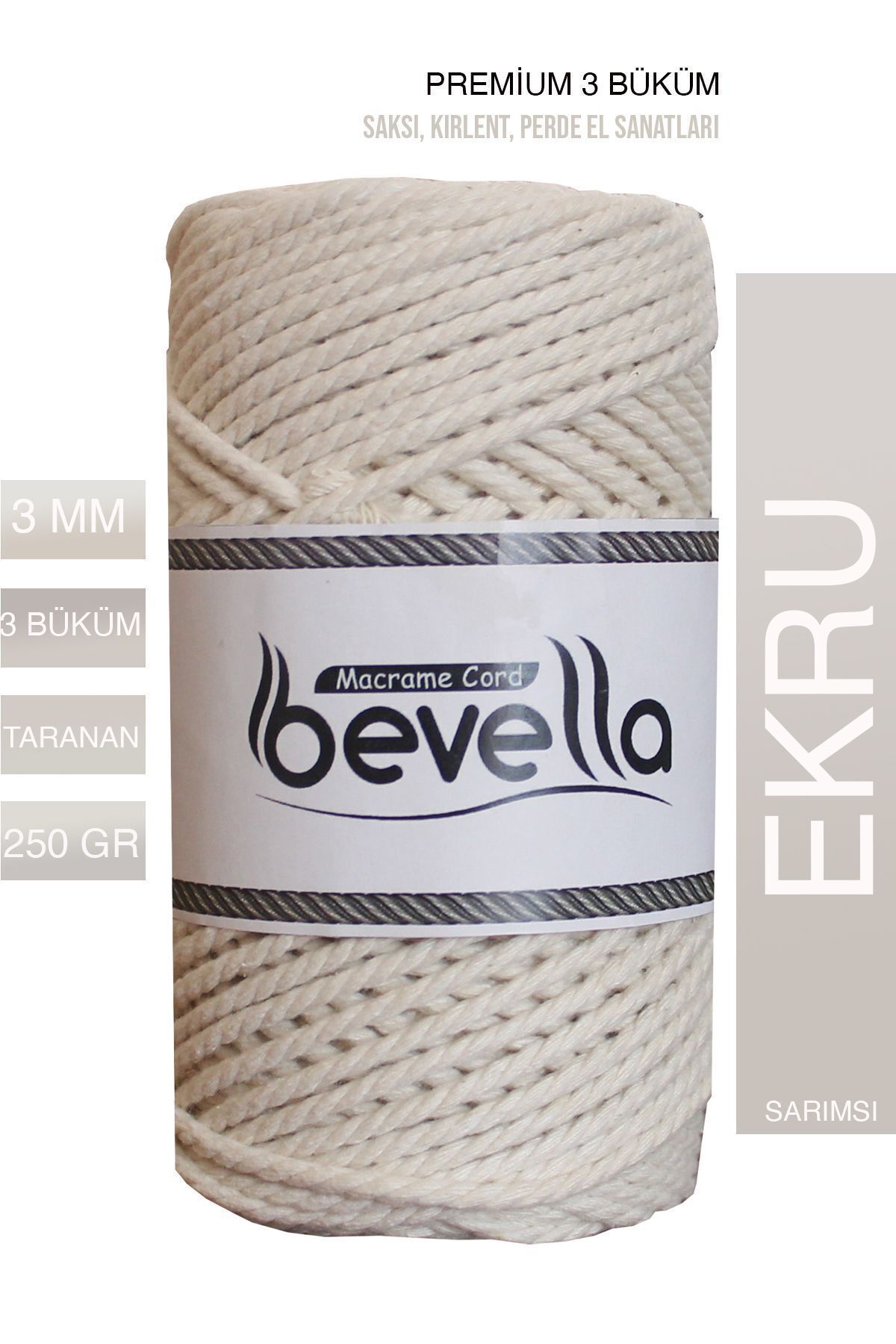
Outdoor Macrame: 10 Weather-Proof Projects and the UV-Resistant Cord Guide
Most macrame cord is designed for indoor use, and putting it outdoors without understanding the material limits is one of the most common and expensive mistakes crafters make. Research from the Textile Exchange shows that untreated natural cotton cord can lose 50% of its tensile strength within 6 to 12 months of outdoor exposure, while UV-stabilized polyester retains 80% of its original strength after 24 months. That gap makes cord selection the most important decision in any outdoor macrame project.
For a complete overview of cord materials and their properties before choosing for outdoors, see our macrame cord types guide.
- Untreated cotton loses up to 50% tensile strength outdoors within 6-12 months, primarily from UV photodegradation and mold growth
- UV-stabilized polyester and polypropylene braided cords are the correct choice for permanent outdoor installations
- Treated jute lasts 1-3 seasons outdoors; untreated jute lasts less than one season in wet climates
- 10 outdoor-specific macrame projects are covered in this guide, from wind chimes to porch swing seats
- A basic outdoor maintenance schedule extends the life of any outdoor macrame piece by 2-3x
Why Does Most Cotton Macrame Cord Fail Outdoors?
Cotton cord fails outdoors through two distinct but compounding mechanisms: UV photodegradation and biological breakdown from mold and mildew. The American Association of Textile Chemists and Colorists (AATCC) standardized testing data shows that unprotected cotton exposed to UV radiation for 500 hours loses 40-60% of its tensile strength. That equates to roughly 2-3 summer months of direct outdoor exposure in most temperate climates.
UV radiation specifically attacks the cellulose structure of cotton fibers, breaking the molecular bonds that give the fiber its strength. You can see the early stages of this as yellowing and brittleness in the cord. By the time a cotton macrame piece looks visibly degraded outdoors, the structural failure point has already passed.
Mold compounds the problem. Cotton is hygroscopic, meaning it absorbs atmospheric moisture readily. When a cotton macrame piece stays damp repeatedly, mold colonies establish within the fiber structure. According to the Centers for Disease Control and Prevention, mold growth requires only sustained humidity above 60% and an organic material substrate, both of which cotton cord satisfies outdoors in most climates. The mold physically degrades the fiber while also creating health concerns for households with allergies.
What Are the Best Cords for Outdoor Macrame?
Outdoor cord selection comes down to three main options, each with a clear use profile. According to purchasing data from outdoor textile suppliers tracked by Mordor Intelligence, UV-stabilized polypropylene and polyester account for over 70% of professional-grade outdoor cordage sold in consumer craft channels. The rest splits between treated natural fibers and specialty outdoor blends.
| Cord Type | UV Resistance | Water Resistance | Expected Outdoor Lifespan | Best Use |
|---|---|---|---|---|
| UV-Stabilized Polyester | Excellent | Excellent | 5-10+ years | Permanent installations, hammocks |
| UV-Stabilized Polypropylene | Excellent | Excellent (floats) | 5-8 years | Heavy structural pieces, furniture |
| Treated Jute | Moderate | Low | 1-3 seasons | Seasonal decor, garden accents |
| Untreated Jute | Low | Very Low | Under 1 season (wet climate) | Dry-weather temporary use only |
| Cotton (untreated) | Low | Low | 6-12 months | Not recommended outdoors |
| Nylon (braided) | Good | Excellent | 3-7 years | Marine, high-tension applications |
What "UV-Stabilized" Actually Means
UV stabilization is a chemical additive, typically a UV absorber or hindered amine light stabilizer (HALS), introduced during fiber or cord manufacturing. These additives intercept the UV radiation before it can break molecular bonds in the polymer chain. Without stabilizers, polyester and polypropylene still degrade under UV, just more slowly than cotton. The key question to ask your supplier is whether the cord is UV-stabilized and what the rated exposure hours are before significant strength loss.
A common misconception is that a darker cord color provides meaningful UV protection because the pigment absorbs light. While this is technically true, the protection offered by color pigment alone is minimal compared to chemical UV stabilization. A dark-colored but unstabilized polypropylene cord will still degrade significantly faster than a white UV-stabilized polypropylene cord of the same construction. Color is not a substitute for UV stabilizer chemistry.
For a detailed breakdown of why braided construction outperforms twisted cord outdoors, see our braided cord properties guide.
10 Outdoor Macrame Projects That Actually Last
All 10 projects below use UV-stabilized polyester or polypropylene cord unless noted otherwise. Cord amounts are estimates for a medium-scale version of each project; adjust based on your specific design. Bevella Macrame offers UV-stabilized braided and twisted cord in the sizes referenced throughout these projects.
Project 1: Garden Wind Chime
Use 4mm UV-stabilized polyester cord and a 20cm metal ring. Cut 12 lengths of 1.5 meters each, fold in half and lark's head knot to the ring. Hang ceramic or bamboo chime pieces from the cord ends at varying lengths. Total cord needed: approximately 20 meters. Estimated lifespan: 5+ years outdoors.
Project 2: Garden Sign Frame
Create a rectangular macrame frame for a hand-lettered ceramic or wooden garden sign. Use 5mm braided polyester cord for the frame and a grid of square knots as backing. A 30x40cm sign frame uses approximately 35 meters of 5mm cord. Mount on a copper or powder-coated steel rod driven into the soil.
Project 3: Outdoor Planter Hanger
Use 6mm UV-stabilized polyester (braided construction) for a plant hanger that can hold a terracotta or ceramic pot up to 5kg. A standard 4-strand spiral knot hanger with gathering knots at top and base needs approximately 50 meters of 6mm cord. The polyester handles rain without stretching or rotting at the knots.
Project 4: Macrame Hammock
A full-length macrame hammock supporting two adults (150kg combined load) requires 8mm to 10mm braided polypropylene or nylon cord. Budget approximately 400-500 meters of 8mm cord for a 200cm x 90cm hammock net. Attach to stainless steel S-hooks and rated hammock hardware only; never use decorative hooks for load-bearing suspension.
Project 5: Patio Privacy Divider
A 2-meter wide by 1.5-meter tall patio divider panel mounted on a PVC pipe frame uses approximately 150 meters of 5mm UV-stabilized polyester cord. The diagonal double half-hitch pattern creates a dense, semi-opaque screen. Install the pipe frame in weighted planter stands rather than drilling into paving for a moveable solution.
Project 6: Fence Wall Art Panel
Mount a 60cm wooden dowel or copper pipe directly onto a garden fence and create a geometric macrame wall panel below it. Use 4mm or 5mm UV-stabilized polyester in weathered-tone colors (terracotta, sand, sage green) that complement typical garden settings. A 60cm wide panel uses approximately 80 meters of 4mm cord.
Project 7: Bird Feeder Wrap
Wrap a plain cylindrical bird feeder in a macrame net using 4mm treated jute (acceptable here because the feeder is likely to be replaced seasonally anyway and jute's natural look blends into garden settings). Use gathering knots at top and bottom with a decorative spiral section in the middle. Cord needed: approximately 15 meters.
Project 8: Garden Lantern Holder
Make a hanging lantern cage for an LED candle or solar lantern using 4mm UV-stabilized polyester. A four-panel cage design with a gathering knot at top and open diamond pattern sides holds most standard garden lanterns. Cord needed: approximately 25 meters. The open design ensures enough ventilation if you use a real candle-powered lantern.
Project 9: Outdoor Coasters and Table Accents
For outdoor dining tables, flat-woven coaster sets in UV-stabilized polypropylene stand up to spills, sun, and being left out overnight. Use 5mm polypropylene in tightly woven square or hexagonal patterns. Each coaster uses about 4 meters of cord. A set of six coasters needs approximately 25 meters. Polypropylene also dries very quickly after rain.
Project 10: Porch Swing Seat Cover
Re-cover a basic wooden porch swing frame with a macrame seat using 8mm braided polypropylene. The knotted seat surface is actually more comfortable than solid wood in warm weather because it breathes. A standard 120cm porch swing seat needs approximately 200 meters of 8mm cord. Use stainless steel S-hooks and check all attachment points annually for wear.
What Maintenance Schedule Keeps Outdoor Macrame in Good Condition?
Even UV-stabilized polyester and polypropylene cord benefits from regular maintenance. According to care guidelines published by the Cordage Institute, professional-grade outdoor cordage used in marine and landscaping applications extends its service life by 40-60% with basic cleaning and inspection routines. The same principles apply to macrame pieces.
Monthly Check (5 Minutes)
Inspect all load-bearing knots visually. Look for fraying, discoloration, or knots that appear to have shifted from their original position. On structural pieces like hammocks and swing covers, run your fingers along the main support strands, feeling for brittle or weakened sections. Replace any compromised section before the piece is used for seating or load-bearing purposes.
Seasonal Clean (Every 3-4 Months)
Take the piece down and rinse with a garden hose to remove dust, bird droppings, and organic debris. For persistent staining, scrub with a stiff brush and mild dish soap solution. Rinse thoroughly and hang to dry completely in the sun before reinstalling. This prevents mold from establishing even on synthetic cord, where mold can't degrade the fiber but can create unsightly black staining.
Annual Deep Inspection
At the start of each season, re-examine all attachment points: hooks, rings, anchor screws, and carabiner connections. Metal hardware in outdoor environments corrodes even on "rust-resistant" products, and a corroded hook can fail unexpectedly. Replace any hardware showing rust pitting. For natural fiber cord projects (treated jute, cotton seasonal pieces), an annual replacement assessment is sensible: if the cord shows brittleness or color washing beyond 30% of the piece, replacement is more economical than repair.
For seasonal maintenance and washing instructions that extend the life of outdoor pieces, see our macrame cord washing and care guide.
Frequently Asked Questions
What is the best cord for outdoor macrame?
UV-stabilized polyester braided cord is the best all-round choice for outdoor macrame. It retains 75-85% of its tensile strength after 500 hours of UV exposure per AATCC testing data, resists water absorption, and dries quickly after rain. For heavy structural applications like hammocks and swing seats, UV-stabilized polypropylene at 8mm or 10mm provides higher load capacity at lower weight than polyester equivalents.
Can I use cotton cord for outdoor macrame?
Cotton cord is not recommended for permanent outdoor installations. Untreated cotton loses 40-60% of its tensile strength within 500 hours of UV exposure according to AATCC testing, equivalent to 2-3 summer months outdoors. Cotton is also highly susceptible to mold growth in humid conditions, which degrades the fiber and creates health risks. For purely decorative seasonal pieces brought inside during rain, cotton is acceptable but requires much more frequent replacement.
How long does outdoor macrame last?
UV-stabilized polyester macrame pieces last 5-10 years outdoors with basic annual maintenance, based on Cordage Institute service life data for UV-stabilized synthetic cordage in outdoor applications. Treated jute lasts 1-3 seasons depending on rainfall. Untreated cotton lasts less than one year in most outdoor climates before showing significant structural degradation. Polypropylene outdoor macrame with appropriate hardware can last over a decade.
How do I clean outdoor macrame?
Rinse with a garden hose every 3-4 months to remove debris and bird droppings. For stains, scrub with a stiff brush and mild dish soap, then rinse thoroughly. Allow to dry completely in sun before reinstalling to prevent mold growth at trapped moisture points. Avoid pressure washing, which can force water deep into knot cores and loosen tightly bound sections. Most UV-stabilized synthetic cord is also machine washable on cold, gentle cycle.
Is macrame safe for outdoor plants?
Yes, with the right cord choice. UV-stabilized polyester cord plant hangers are safe for outdoor plants because the cord material is chemically inert and won't leach harmful compounds into the soil or plant. Avoid untreated jute for outdoor food gardens as degrading jute can introduce mold spores to the plant environment. Cotton is safe but will degrade before polyester. For edible plant gardens, OEKO-TEX certified cord eliminates any concern about dye chemical contact.
Can outdoor macrame survive rain?
UV-stabilized polyester and polypropylene cord pieces survive rain and repeated wet-dry cycles without structural damage. These fibers are water-resistant: they don't absorb water into the fiber core, so they dry quickly and don't retain moisture at knot points where mold could establish. Natural fiber cords (cotton, jute, hemp) absorb water and need to dry completely between rain events to avoid mold. In consistently rainy climates, only synthetic UV-stabilized cord is appropriate for permanent outdoor installation.