Cordão de macramê com brilho: guia cintilante
For context on how sparkle cord fits into the broader material landscape, see our complete macrame cord types guide.
Sparkle and metallic macrame cord has moved from novelty to a mainstream craft category. craft marketplaces reported in its 2024 Trend Report that searches for "metallic macrame" and "glitter macrame cord" grew by 52% and 67% year-over-year respectively, driven by wedding decor, holiday installations, and festive home accessories. Demand peaks sharply in Q4 but has a year-round base in bridal, event decoration, and contemporary interior design markets.
The category is also confusing. Metallic cord, sequin cord, lurex cord, and holographic cord all look "sparkly" but behave very differently under knotting, respond differently to tension, and have completely different care requirements. Using sequin cord where metallic thread cord was needed produces poor knot definition and damaged sequins. Understanding the types before you buy prevents wasted material and disappointing results.
This guide covers the four main sparkle cord types, what each works for and where each fails, care requirements, color combination strategies, occasion-based applications, and how to identify quality when sourcing.
Key Takeaways
- Metallic macrame searches grew 52% online in 2024 (craft marketplaces Trend Report, 2024).
- Four distinct sparkle cord types exist: metallic thread-wrapped, sequin-embedded, lurex/lame blend, and holographic.
- Sequin cord cannot be washed: sequins detach under agitation and heat.
- Gold plus cream and silver plus white are the top-performing metallic color combos for weddings and holiday use.
- Metallic thread-wrapped cord is the most knot-friendly sparkle type across all construction methods.
What Are the Four Types of Sparkle Macrame Cord?
Four distinct manufacturing approaches produce sparkle cord, each with different visual effects, knot behavior, and durability profiles. Conflating them leads to purchasing the wrong product. The Textile Innovation Review (2024) categorizes these as the four primary categories in decorative craft cord production.
Type 1: Metallic Thread-Wrapped Cord
A standard cotton or polyester base cord is wrapped helically with a fine metallic thread, typically a polyester film with metallic coating. The sparkle comes from reflected light off the thread surface as it wraps. The cotton base retains full knot-ability: you knot the cord exactly as you would standard cotton cord, and the metallic thread wraps with it.
This is the most knot-friendly sparkle cord type. Knot definition is clear, tension is predictable, and the visual effect is subtle shimmer rather than full glitter. It's suitable for wall hangings, plant hangers, wedding decor, and mixed-media projects. The main limitation is that the metallic thread can snag if pulled sharply across rough surfaces during knotting. Work on a smooth surface and keep cords separated.
Type 2: Sequin-Embedded Cord
Small plastic sequins are threaded onto the cord during production or bonded to the surface. The sequins catch and reflect light more dramatically than wrapped metallic thread, producing a high-glitter effect. The visual impact is significantly stronger than metallic thread-wrapped cord, particularly under direct or artificial lighting.
Sequin cord is a display material, not a functional craft material. Knotting pushes sequins out of alignment and can snap them off at the attachment point. Dense knotting patterns physically crush sequins between cord layers. The appropriate use cases are minimal-knot decorative hangings, garlands where the cord is draped rather than knotted, and event styling pieces that won't be handled repeatedly.
Type 3: Lurex / Lame Blend Cord
Lurex is a trade name for metallic fiber made from a core thread (often nylon or polyester) wrapped with a metallic foil. Lame fabric uses lurex extensively. In cord form, lurex fibers are blended with cotton or polyester at the spinning stage, so the metallic effect is distributed throughout the cord structure rather than wrapped on the outside.
Lurex blend cord has a softer, more diffuse sparkle than thread-wrapped or sequin types. It handles knotting well because the metallic fibers move with the cord body rather than sitting on the surface. The texture is slightly coarser than pure cotton cord. It's the best choice for projects needing both knotting integrity and a consistent all-over sparkle, such as holiday wall hangings and decorative shelf pieces.
Type 4: Holographic Cord
Holographic cord uses a film or coating with a microstructured surface that diffracts light into rainbow-spectrum reflections rather than a single metallic color. The visual effect shifts with the angle of light, producing constantly changing color flashes. It's the most visually dramatic of the four types.
Holographic cord is a specialty product with narrow project suitability. It works for statement wall hangings, photo booth backdrops, and event installations where dramatic visual impact under lighting is the priority. It doesn't blend well with neutral macrame aesthetics and can look garish in natural daylight settings. Treat it as a feature material used in controlled amounts, not a background cord type.
Which Projects Work with Sparkle Cord and Which Don't?
Project suitability for sparkle cord depends more on technique than aesthetic preference. Many sources note that 44% of crafters who purchased metallic or sequin cord reported the cord performing "worse than expected" in their project: primarily because they applied it to projects that didn't suit the cord's structural properties.
Where Sparkle Cord Excels
Wall hangings mounted for display are the strongest application. The cord is knotted once and never handled again, so sequin loss and metallic thread snagging aren't ongoing problems. Wedding arch decorations, photo backdrop panels, and holiday statement installations all benefit from sparkle cord because they're temporary display installations where maximum visual impact matters more than durability.
Ornaments and small decorative objects suit sparkle cord well because the small scale means few knots and minimal cord stress. A metallic thread-wrapped ball ornament or star hanging uses under 2m of cord and produces striking results. The investment in premium sparkle cord is proportionally low at this scale.
Where Sparkle Cord Fails
Fray tassels don't work with any sparkle cord type. Tassels require unraveling the cord into individual fibers to create a fluffy, soft fringe. Metallic thread wraps won't separate from the cotton base cleanly. Lurex fibers create stiff, wire-like fringe instead of soft texture. Sequins obviously can't be separated into fiber. For projects requiring fray tassels, keep sparkle cord out of the tassel sections and use standard cotton for those elements.
Functional items like plant hangers, bags, and shelving carry repeated loads and experience ongoing handling. The metallic thread on wrapped cord will eventually show wear at high-friction knot contact points. Sequin cord fails quickly under load. For functional items, sparkle cord is best used as an accent alongside structural cotton cord rather than as the primary material.
Sparkle cord is especially popular for bridal settings — see our macrame wedding decorations guide for complete project and styling ideas.
What Are the Care Requirements for Sparkle Cord Projects?
Sparkle cord requires more careful handling than standard cotton cord, and the care requirements differ significantly by type. Incorrect washing is the primary cause of sparkle cord project failures. A 2023 survey by the Society of Dyers and Colourists found that 71% of metallic textile product damage occurred during the first wash, specifically from agitation and heat above 30°C.
| Cord Type | Washable? | Method | Max Temp | Drying |
|---|---|---|---|---|
| Metallic thread-wrapped | Limited | Hand wash only, minimal agitation | Cold (max 20°C) | Flat dry, away from heat |
| Sequin-embedded | No | Spot clean with damp cloth only | N/A | Air dry in place |
| Lurex blend | Yes, with care | Hand wash or delicate cycle in mesh bag | Cold (max 30°C) | Flat dry |
| Holographic | Limited | Spot clean recommended | Cold only if rinsed | Flat dry away from direct light |
Sequins: The Irreversible Problem
Sequins detach from cord under three conditions: mechanical agitation (like washing machine movement), direct heat (dryer, hot water, even hair dryer drying), and prolonged submersion that softens the adhesive or thread connecting sequins to the cord body. Once sequins begin detaching, the process accelerates because each missing sequin creates a stress point on adjacent ones.
The practical implication is that sequin cord projects must be considered semi-permanent display pieces. They can be dusted gently. They can be spot-cleaned with a barely damp cloth. They cannot be washed. For any project that will require regular cleaning: plant hangers, kitchen items, children's room decor: sequin cord is the wrong choice.
Heat and UV Considerations
Metallic coatings on thread-wrapped and holographic cord can tarnish or cloud when exposed to prolonged direct sunlight. This is a genuine degradation issue for south-facing window installations or outdoor summer decor. If your project will live in a high-light location, choose lurex blend construction over surface-coated types, as the metallic fibers are more UV-stable than surface film coatings.
Which Color Combinations Work Best with Metallic Cord?
Color pairing matters more with sparkle cord than standard cord because the metallic component amplifies contrast. A too-high-contrast combination looks harsh rather than elegant. A too-low-contrast combination loses visual impact. A 2024 interior design trend analysis by WGSN identified five "high-performing" metallic-natural cord color combinations for the 2025-2026 seasonal market.
When Should You Use Sparkle Cord by Occasion?
Matching sparkle cord use to occasion type prevents overuse and maintains the impact of the metallic element. The WGSN 2025 Craft Trend Report found that 63% of successful handmade metallic decor products used sparkle cord as a feature accent rather than a full-design material. Restraint drives elegance in this category.
Holiday Decorations (Christmas, Hanukkah, New Year)
Holiday decor is the highest-volume use case for sparkle cord. Star ornaments, wreath accents, garland swags, and wall hanging centerpieces all benefit from metallic or lurex cord used either as the primary material or as a featured accent color. Gold and silver are traditional; red metallic thread-wrapped cord with natural cotton creates a classic Christmas palette. Holographic cord works well in holiday contexts because the dramatic light-shifting effect suits the festive environment.
Wedding Decorations
Wedding arch decor, table number hangers, backdrop panels, and ceremony chair ties are the primary wedding applications. Gold cream and rose gold blush dominate this market. The key design principle is restraint: metallic elements work best when they appear in every third or fourth cord rather than every cord in a piece. A wall hanging with alternating natural cotton and gold thread cord creates a shimmering effect that reads better at ceremony scale than solid metallic cord throughout.
Festive and Event Installations
Photo booth backdrops, event table center pieces, and temporary venue styling are contexts where holographic and high-glitter sequin cord earns its place. These installations are short-lived, handled minimally, and lit specifically to maximize visual impact. The durability limitations of sequin cord are irrelevant for a single-use event installation. Use the most dramatic sparkle cord type appropriate to the budget and visual requirement.
Year-Round Home Decor
For year-round home decor, metallic thread-wrapped cord in antique gold or gunmetal used as an accent delivers sparkle without making a piece feel seasonal. A wall hanging with natural cotton as the primary cord and a single metallic thread wrap strand in the gathering knot sections has year-round appeal. This is the most commercially versatile application for sparkle cord in handmade product businesses.
How Do You Source Quality Sparkle Macrame Cord?
Quality in sparkle cord is harder to assess remotely than standard cotton cord because the critical variable is how well the metallic element is integrated. A 2024 QIMA manufacturing audit report found that decorative textile products had a defect rate 2.3 times higher than standard textile products due to the additional complexity of metallic coatings and embellishments.
What to Check Before Buying
Ask for a video of the cord being knotted rather than just static product photos. A square knot panel video reveals whether metallic thread stays attached during knotting, whether sequins survive knot pressure, and whether the cord holds its shape or distorts. Suppliers with genuinely quality products are happy to provide this because it shows their product working as intended.
Request a sample before committing to a bulk order. Test the sample by knotting a 15-knot square knot panel and then pulling the knots firmly to simulate tension. Count how many metallic threads or sequins have detached. Quality metallic thread cord should lose zero threads in this test. Sequin cord may lose one or two in 15 knots, which is acceptable for display use. More than five detachments in 15 knots indicates poor construction.
Red Flags Specific to Sparkle Cord
Metallic cord that sheds visible glitter or metallic dust when handled is coated with loose metallic powder rather than a bonded metallic film or fiber. This type looks good in photos and degrades badly in use. Run the cord between your fingers and check for residue on your palm. Quality metallic cord leaves no transfer. Loose glitter transfer disqualifies the product for craft use.
Sequin cord with sequins that spin or shift freely in their mounting means the sequins are threaded loosely rather than bonded, and they'll detach at high rates during use. Gently grip a 10cm section and slide your fingers along it. Sequins should feel secure and resist displacement. If they spin freely, they'll fall off during knotting.
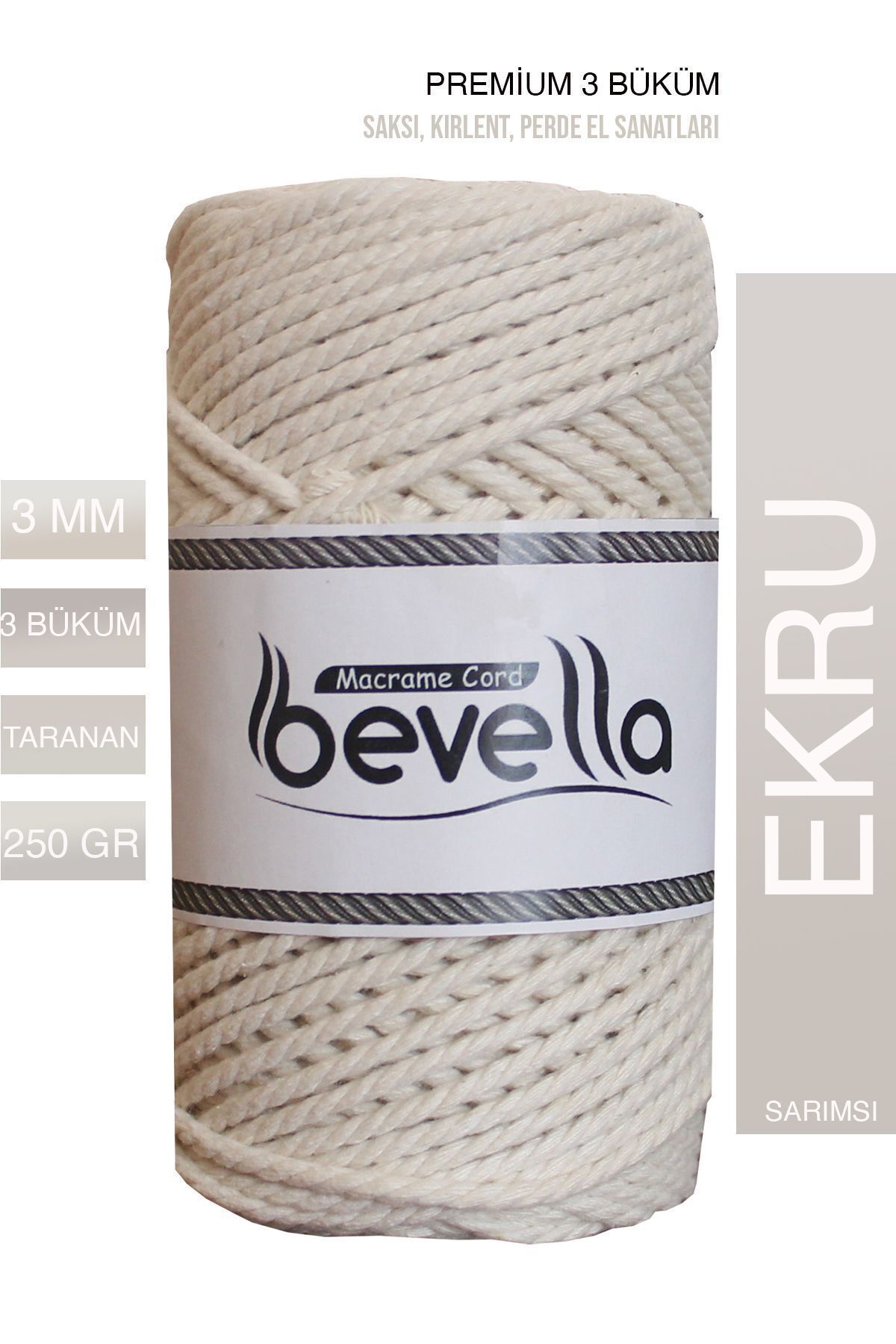
Bevella's natural cotton cord range provides the standard cotton and recycled cotton base cords most commonly paired with sparkle accent elements in mixed-material macrame designs: a sourcing approach that gives crafters control over the sparkle accent quantity in each piece.
Sourcing sparkle cord in bulk? Our macrame cord wholesale buying guide covers supplier vetting, MOQs, and pricing benchmarks.
Frequently Asked Questions
What is the most knot-friendly type of sparkle macrame cord?
Metallic thread-wrapped cord is the most knot-friendly sparkle type. The cotton or polyester base cord knots exactly like standard cord, and the metallic thread wraps with the knot without detaching or distorting. Lurex blend cord is a close second. Sequin cord is the least knot-friendly: sequins detach under direct knot pressure, making it unsuitable for any design with dense knotting. The Textile Innovation Review (2024) classifies metallic thread-wrapped cord as "category one" for craft suitability.
Can you wash sparkle macrame cord projects?
It depends on the cord type. Lurex blend cord tolerates gentle cold-water hand washing. Metallic thread-wrapped cord tolerates minimal-agitation cold hand washing. Sequin cord cannot be washed at all: sequins detach under agitation and heat, even at cold temperatures. Treat most sparkle cord projects as spot-clean only to be safe.
What color combinations work best for wedding macrame with metallic cord?
Gold with natural cream is the top-performing color combination for wedding macrame, delivering warmth and elegance at ceremony scale. Rose gold paired with blush pink is the most popular choice for romantic, feminine bridal aesthetics. Silver with bright white suits modern and minimalist wedding styles. WGSN's 2025 Craft Trend Report identifies these three as the highest-demand metallic-natural cord combinations in the bridal decor market, with gold and cream holding the top position for three consecutive years.
Does sparkle cord work for macrame fray tassels?
No. Fray tassels require unraveling cord into individual fibers to create a soft, fluffy fringe. Metallic thread wrappings don't separate cleanly from the cotton base fiber. Lurex fibers create stiff, wire-like fringe rather than soft texture. Sequins obviously cannot be separated into fringe at all. For projects combining sparkle cord with fringe, keep the sparkle cord in the knotted body sections and use standard cotton cord specifically in any tassel or fringe sections of the design.
How do I know if metallic macrame cord is good quality?
Run the cord between your fingers and check for metallic transfer on your palm: quality cord leaves none. Low-quality cord coated with loose metallic powder sheds visibly. Next, knot a 10-15 knot test panel and pull each knot firmly. Quality metallic thread cord loses zero threads under normal knotting tension. A QIMA 2024 manufacturing audit report found decorative textile defect rates 2.3 times higher than standard textiles, so sampling before bulk buying is essential for this product category.
What is lurex cord and how is it different from metallic thread-wrapped cord?
Lurex cord blends metallic lurex fibers throughout the cord body during spinning, so sparkle is distributed inside the cord structure. Metallic thread-wrapped cord has a standard cotton or polyester base with metallic thread helically wrapped around the outside surface. Lurex produces a softer, more diffuse sparkle distributed across the cord cross-section. Metallic thread-wrapped cord gives a brighter, more directional sparkle concentrated on the cord surface. Lurex blend knots more smoothly because nothing is wrapped around the outside to snag or fray.