最初の結び目から完成品まで
Macrame wall hangings are one of the most satisfying craft projects you can make - and one of the most searched. Google Trends data shows that "macrame wall hanging" receives over 450,000 monthly searches globally, peaking every autumn and before the holiday season. But most guides online cover either beginner basics or assume you already know what you're doing. This guide covers the full spectrum: materials, workspace setup, five difficulty levels with specific project examples, cord thickness recommendations, and five of the most popular pattern structures explained clearly. Whether you're cutting your first cord or planning a 2-meter installation, start here.
- 4mm twisted cotton cord is the single best starting cord for beginners - it knots easily and creates clean fringe
- A beginner can complete a 30cm wall hanging in 2-3 hours with just 2 knot types
- Wall hanging size should be 50-75% of the wall width it hangs on for visual balance
- Macrame home decor grew 41% in online retail between 2021-2025, per Statista
- The square knot and lark's head knot together account for 90% of all wall hanging construction
What Materials Do You Need for a Macrame Wall Hanging?
A macrame wall hanging requires surprisingly few materials to get started. The core list is: a wooden dowel or branch, macrame cord, scissors, and a measuring tape. That's genuinely all you need for your first project. The craft's accessibility is a large part of why the global handmade decor market, valued at $680 billion in 2024 by Grand View Research, includes macrame as one of its fastest-growing segments.
As you progress, a few additional tools make the process smoother: a comb or pet slicker brush for fringe, a rack or clothes rail to hang work in progress, and a pair of pointed scissors (embroidery scissors work particularly well for tight cuts between knots). None of these are expensive. Many experienced macrame artists spend under $30 on tools total, with the cord itself being the main recurring cost.
| Material | Specification | Beginner Cost (USD) | Notes |
|---|---|---|---|
| Wooden dowel | Diameter: 1.5-3cm, Width: 30-60cm | $3-12 | Birch or pine dowels work well |
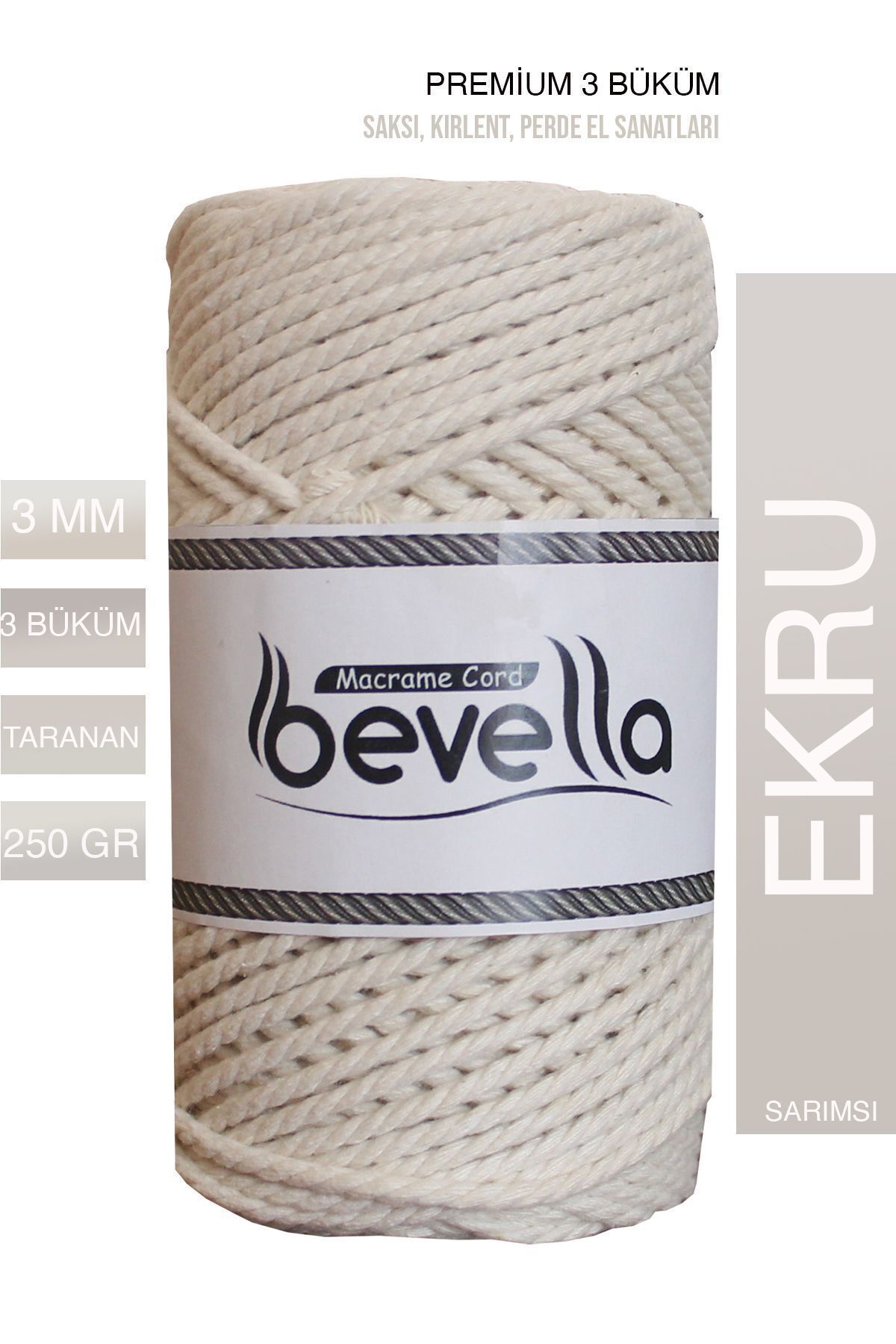
| Cotton macrame cord | 4mm twisted, 100-200m spool | $12-25 | Natural or your chosen color |
| Measuring tape | Standard 3m | $2-5 | Essential for cutting accuracy |
| Sharp scissors | Any quality scissors | $5-15 | Dedicated craft scissors are best |
| Slicker brush or comb | Pet slicker brush (fine pins) | $4-8 | For brushing out fringe |
| Hanging hook or nail | Standard picture hook | $1-3 | For working position and display |
How Do You Set Up Your Workspace for Macrame?
The most practical workspace setup for wall hangings is working at standing height with the dowel hung on a hook or a rack at eye level. This lets gravity help you keep your cords organized and lets you step back to assess the overall piece as you work. A 2023 ergonomics study cited by the Craft Industry Alliance found that crafters who work at standing height report 35% fewer hand and wrist complaints than those who work hunched over a table.
Your cord organization matters as much as the workspace itself. Long cords tangle constantly if you don't manage them. The standard approach is to bundle each cord loosely and secure it with a slip knot about 30cm from your working area. Unbundle as you knot downward. Some crafters use butterfly bundles (wrapping the cord in a figure-eight around their fingers), which many find faster to undo than slip knots.
Workspace Checklist
Before you start cutting cord, confirm: your dowel is hanging at chest height and secure, your light source comes from in front of you (not overhead, which creates shadows in knot gaps), your scissors are within easy reach, and you have 30cm of clear space on either side of your piece for the outer cords to hang freely. Cramped workspaces are the leading cause of tangled cords and mistakes in tension.
What Are the 5 Difficulty Levels in Macrame Wall Hangings?
Macrame wall hangings range from genuinely simple 2-knot projects to complex multi-technique installations that take experienced crafters weeks. Framing your skill level accurately at the start saves you from frustration. The five levels below reflect both technical complexity and the time investment required. A 2024 survey by Craft Industry Alliance found that 43% of new macrame crafters abandon their first project because it was mismatched to their skill level - usually because they chose something too advanced.
Level 1 - Complete Beginner Beginner
Knots used: Lark's head, basic square knot. Project examples: simple fringe wall hanging, single-row knotted panel. Time required: 2-4 hours. Cord needed: 4mm twisted cotton. What makes it beginner-friendly: minimal shaping, no color changes, no advanced knot sequences. The result looks clean and intentional even with minor inconsistencies in tension.
Level 2 - Casual Crafter Easy
Knots used: Lark's head, square knot, spiral half hitch, basic gathering knot. Project examples: diamond pattern wall hanging, simple boho arch piece. Time required: 4-8 hours. Cord needed: 4mm-5mm twisted cotton. The skill jump from Level 1 is mostly in pattern reading - understanding how to space knots to create geometric shapes rather than just working row by row.
Level 3 - Developing Crafter Intermediate
Knots used: Full double half hitch (diagonal and horizontal), berry knots, lark's head variations. Project examples: arch wall hanging with multiple texture zones, feather wall hanging, chevron pattern piece. Time required: 8-20 hours. Cord needed: 3mm-5mm depending on detail level. Tension consistency becomes critical at this level - uneven tension in double half hitch rows is visible from across the room.
Level 4 - Experienced Crafter Advanced
Knots used: All above plus josephine knot, cavandoli work, picot knot variations, 3D texture techniques. Project examples: large statement piece with multiple focal points, color-block designs using cord substitution, woven macrame sections combined with knotting. Time required: 20-60 hours. Cord needed: multiple weights, often combining 3mm detail areas with 6mm statement sections.
Level 5 - Expert/Installation Scale Expert
Knots used: All techniques including structural reinforcement methods, multi-dowel suspension, shaped 3D pieces. Project examples: floor-to-ceiling wall installations, sculptural pieces with armature, custom-commissioned large-format wall art. Time required: 60-200+ hours. Cord needed: large quantities (often 2-5kg per project), may combine natural and synthetic fibers for structural reasons.
Which Cord Thickness Should You Use for Wall Hangings?
Cord thickness has a direct and predictable effect on the final visual weight and scale of a wall hanging. Thinner cords (2mm-3mm) produce tight, detailed knotwork with fine fringe - appropriate for small to medium pieces. Thicker cords (5mm-8mm) create bold, textural work that reads from across a room - better for large walls. An interior design rule of thumb, cited consistently in publications like Architectural Digest, is that wall art texture should be legible from the room's primary viewing distance, usually 2-4 meters in a living space.
| Cord Thickness | Best Wall Hanging Size | Visual Character | Difficulty |
|---|---|---|---|
| 2mm-3mm | 20cm-40cm wide | Delicate, jewelry-like | Beginner to Intermediate |
| 4mm | 30cm-60cm wide | Classic macrame look | Beginner |
| 5mm | 50cm-90cm wide | Substantial, bold fringe | Beginner to Intermediate |
| 6mm-8mm | 70cm-150cm wide | Statement, textural | Intermediate |
| 10mm+ | 120cm+ wide | Large-scale installation | Advanced |
How Do You Hang and Mount a Macrame Wall Hanging?
The mounting method affects both the display quality and the longevity of your piece. Wooden dowels are the most common base - they're lightweight, aesthetically neutral, and easy to hang with a standard picture hook. Copper pipes offer a more industrial look. Driftwood adds a natural, beachy quality. Whatever you choose, the mounting point should be rated for at least 3 times the weight of the finished piece. A 5mm cotton wall hanging measuring 60cm x 90cm typically weighs 400-700g finished.
Use a single centered hook for pieces under 60cm wide. For wider pieces, use two hooks spaced at 60-70% of the dowel width - this prevents the dowel from bowing under the cord weight and keeps the piece hanging flat. For very large or heavy installations, use a French cleat system, which distributes weight across the full mounting width.
What Are the 5 Most Popular Macrame Wall Hanging Patterns?
Five pattern structures appear in the vast majority of macrame wall hangings sold globally. Understanding how each one is built - rather than just copying a specific design - gives you the ability to modify and combine them freely. A 2024 independent designers report highlighted that the "diamond pattern" and "arch pattern" were the two most searched macrame wall hanging styles, each generating over 200,000 monthly searches on the platform alone.
Pattern 1: The Classic Fringe Panel
Structure: All cords attached with lark's head knots to the dowel, then left largely or entirely unknotted to hang as fringe. Often includes one or two rows of square knots or gathering knots near the top. Difficulty: Level 1. This is the fastest wall hanging you can make - a 60cm fringe panel takes under an hour. The art is in the finishing: trimming the fringe to a shape (straight, V-shaped, angled) and brushing it to maximum fullness. It looks deceptively complex when done well.
Pattern 2: The Diamond Grid
Structure: Square knots arranged in an offset grid pattern to create diamond-shaped voids between the knot clusters. The negative space is the design element. Difficulty: Level 2. The key technique is working in alternating rows - first row uses cords 1-2, 3-4, 5-6 etc., second row uses cords 2-3, 4-5, 6-7 etc. - creating the diagonal flow that makes the diamonds visible. Even beginners can produce a clean diamond grid within their first 4-5 hours of practice.
Pattern 3: The Arch or Boho Scallop
Structure: Double half hitch knots worked in curved rows to create a scalloped or arch shape at the bottom of the piece. Requires understanding directional knotting. Difficulty: Level 3. The arch is formed by progressively increasing then decreasing the number of active cords in each row, creating the curved silhouette. Many popular "boho" wall hangings use this structure. The dowel may be a curved branch rather than a straight dowel to reinforce the organic shape.
Pattern 4: The Feather or Leaf
Structure: Individual "feather" shapes created by attaching cords to a central spine and knotting them tightly together, then trimming and brushing into a leaf shape. Multiple feathers combined create a botanical wall hanging. Difficulty: Level 2-3 per feather, assembly at Level 3. The feather technique specifically benefits from 3mm or 4mm single-strand twisted cord, which brushes out to a fine, realistic fringe once the knots are trimmed.
Pattern 5: The Woven Weave Combination
Structure: A center section of weaving (using a separate weft thread woven across warp cords) surrounded by knotted macrame sections. Combines two textile techniques in one piece. Difficulty: Level 4. The weaving section may use a contrasting color or texture cord for visual interest. This pattern is responsible for many of the most-shared macrame wall hanging images on Pinterest, where boards tagged "macrame wall art" have collectively received over 4 billion views, according to Pinterest's 2025 Trend Report.
How Do You Finish and Care for a Macrame Wall Hanging?
Finishing is where many wall hangings either come together beautifully or fall apart visually. The three finishing steps that matter most: trimming the fringe to a clean, intentional shape; brushing any fringe that should be fluffy; and securing any cord ends that are not part of the fringe. For trimming, work with the piece hanging at its display position and step back every few cuts to check the silhouette. Asymmetry that isn't intentional is usually noticeable. A clean geometric trim (straight, chevron, or V-shape) photographs and displays better than uneven improvised cutting.
Cotton macrame wall hangings are low-maintenance. Spot clean with a damp cloth for small marks. For full cleaning, hand wash in cool water with mild soap, reshape while wet, and hang to dry completely before rehanging. Avoid machine washing - the agitation creates tangles that are extremely difficult to undo without damaging the piece. Dust regularly with a hairdryer on cool setting to prevent buildup in the knot gaps.
What Size Wall Hanging Should You Make for Each Room?
Interior design guidance on wall art sizing is consistent: the artwork should cover 60-75% of the available wall width. Applied to macrame, that means a wall that's 180cm wide should ideally host a piece 110-135cm wide. Ceiling height matters too. Standard 240cm ceilings suit pieces up to 120cm tall. Higher ceilings - common in living rooms with vaulted or 270cm ceilings - can accommodate pieces up to 150cm+ tall without looking out of proportion.
| Room | Recommended Size | Suggested Cord | Style Note |
|---|---|---|---|
| Bedroom above bed | 90-150cm wide, 80-120cm tall | 5mm-6mm twisted | Softer textures, neutral or warm tones |
| Living room focal wall | 120-200cm wide, 100-150cm tall | 6mm-10mm rope | Statement scale, high visual weight |
| Entryway/hallway | 30-60cm wide, 60-100cm tall | 3mm-4mm twisted | Tall and narrow suits the space |
| Small bathroom | 20-40cm wide, 30-60cm tall | 3mm braided (moisture resistant) | Keep small, use natural colors |
| Nursery/child room | 40-70cm wide, 50-80cm tall | 4mm twisted, soft cotton only | OEKO-TEX certified cord, no synthetic |
| Home office | 50-90cm wide, 60-100cm tall | 4mm-5mm twisted | Geometric patterns, subtle texture |
Frequently Asked Questions
How much macrame cord do I need for a wall hanging?
For a standard 60cm wide x 80cm tall wall hanging using 4mm cord, plan on 60-80 meters of cord. Cut individual working cords at 4-5 times the finished length of the hanging (the extra accounts for the cord consumed in knotting). Always buy 20% more than your calculation suggests. Running out mid-project and trying to match a new cord batch often results in subtle color differences that show in the finished piece.
What is the easiest macrame wall hanging for a complete beginner?
A simple fringe panel is the genuinely easiest starting point. Attach 20-30 cords to a 45cm dowel using lark's head knots, tie 2-3 rows of basic square knots at the top, then leave the rest as fringe. Trim the bottom edge straight or into a V-shape. The whole project uses only 2 knot types and can be finished in under 3 hours. It looks intentional and attractive without requiring any pattern-reading skill.
Can I make a macrame wall hanging without a wooden dowel?
Yes. Driftwood branches work beautifully and give a natural, organic look. Copper pipes offer a more modern aesthetic. Large metal rings (30-60cm diameter) create circular wall hangings. Thick tree branches cut to length are a free option. The requirement is that the mounting element is rigid, at least 3-5cm longer than the planned piece width, and rated to hold the weight of the finished piece plus the mounting hardware.
How long does it take to make a macrame wall hanging?
Time scales directly with size, cord thickness, and pattern complexity. A beginner fringe panel (Level 1): 2-4 hours. A medium diamond pattern wall hanging (Level 2): 6-12 hours. A large arch or chevron piece (Level 3): 15-30 hours. Thicker cord works faster than thin cord because each knot covers more area. Most intermediate crafters find that a 60cm x 80cm statement piece with moderate density takes 10-15 hours across several sessions.
What is the best cord for macrame wall hangings specifically?
For most wall hangings, 4mm or 5mm single-strand twisted cotton cord is the best all-around choice. It's soft enough to knot comfortably, creates beautiful fringe when unraveled, and produces the classic macrame texture that works in both boho and contemporary interior styles. For large statement pieces or thick fringe effects, step up to 6mm or 8mm. For fine detail sections in mixed-weight pieces, combine 3mm cord for the detail areas with 5mm for the main body.
How do I keep my macrame wall hanging from unraveling over time?
The most durable method is to apply a small amount of fabric glue or a dot of clear craft adhesive to the back of each terminal knot - any knot that ends a cord. This prevents gradual loosening from air movement and humidity changes. For the fringe, trimming the ends cleanly and applying a light mist of diluted fabric stiffener helps maintain fringe shape over months. Avoid hanging macrame in direct sunlight - UV exposure degrades cotton fibers and causes color fading within 6-12 months.