Decorative Rope Cord Projects: Complete Ideas Guide
What are the main fibers used in decorative rope?
What are the best rope pet and outdoor project ideas?
How do you plan a large rope project?
Frequently asked questions about rope cord projects
Can I use macrame cord for rope projects?
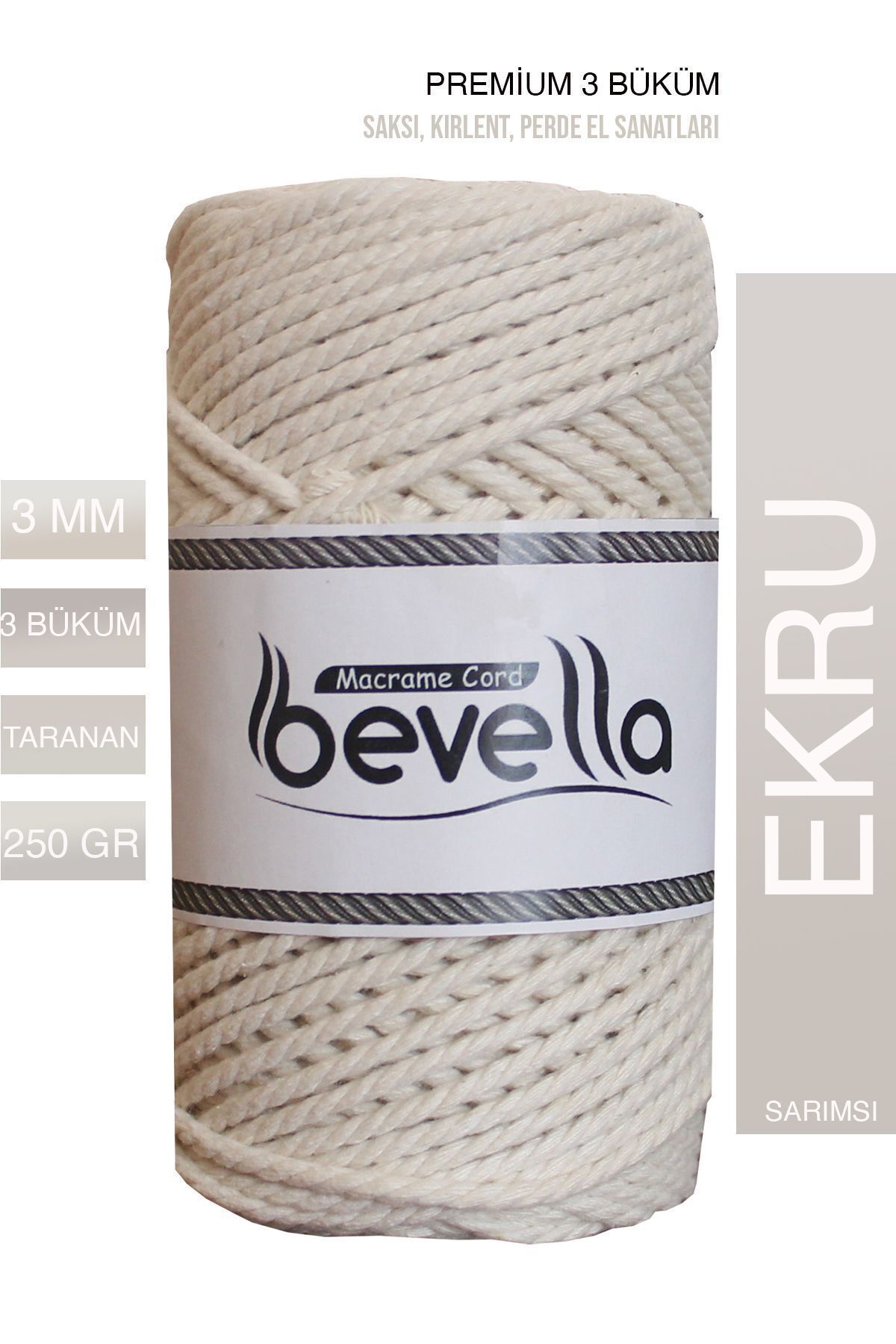
Yes, especially at the 6-12mm thickness range where macrame cord and decorative rope overlap. Soft cotton macrame cord works well for indoor rope baskets and pet products. Stiffer macrame cord (3-ply or braided) handles wrapping and structural projects. Around 41% of rope basket makers use cotton macrame cord rather than dedicated rope. For outdoor or load-bearing projects, dedicated rope (manila, sisal, or polyester) is usually safer. For decorative indoor work, the materials are interchangeable.
How much rope do I need for a 25cm basket?
A standard 25cm diameter basket with 15cm walls needs 30-40 meters of 6mm cotton rope. Calculate by spiraling: each ring at 25cm diameter has 79cm circumference, and you need 18-20 rings stacked for 15cm wall height plus the base. The base alone uses 4-5m. Always add 15% buffer. Around 68% of beginner basket projects need extra rope, so buy 50m minimum for first attempts.
What rope is safe for pet products?
Cotton, sisal, and natural untreated manila are safe for pet products. Avoid jute on chew toys (sheds fibers that can be ingested) and avoid synthetic ropes treated with chemicals. For dog leashes, braided cotton or polyester is the standard. For cat scratching posts, sisal is the universal choice due to abrasion resistance and natural fiber safety. Always use OEKO-TEX certified rope for any pet product, since the certification confirms zero harmful chemical residues (OEKO-TEX).
Can rope baskets go in the washing machine?
Cotton rope baskets can survive gentle machine washing on cold cycle, but jute, manila, and sisal cannot. Cotton baskets emerge slightly shrunken (3-5%) and may need reshaping while damp. Avoid bleach, fabric softener, and tumble drying. For valuable or large baskets, spot clean with damp cloth and mild soap rather than full immersion. Around 78% of rope basket care issues come from improper washing.
Which rope lasts longest outdoors?
Polyester and treated manila last longest outdoors. Polyester retains 90% of strength after 1,000 hours UV exposure, giving 5-10 year service life. Manila with weatherproof treatment lasts 3-5 years. Untreated jute and cotton rope rot within a single rainy season. For permanent outdoor decor, polyester or treated manila are the only realistic options. Sisal handles dry climates well but fails in humid conditions.
What is the difference between manila and jute rope?
Manila comes from abaca plant fiber and is stiffer, stronger, and more weather-tolerant than jute. Jute comes from jute plant fiber, is softer, more golden in color, and cheaper. Manila tensile strength reaches roughly 7,500 N for 6mm cord, while jute hits 200 MPa fiber strength. For nautical-style and outdoor projects, manila wins. For soft indoor decor and budget-friendly crafts, jute wins. Both biodegrade, both shed fibers, both come from sustainable plant sources.
Conclusion
Decorative rope cord projects span a wide range of techniques and finished pieces, from simple wrapped vases to coiled storage baskets and full hammock chairs. Pick the right fiber for the job: jute for soft eco indoor decor, cotton for soft baskets and pet products, manila for nautical and durable outdoor pieces, sisal for cat posts and doormats. Match thickness to project scale (4-5mm wraps, 6-8mm baskets, 10-12mm hammocks). Use coiled stitch for baskets, hot glue wrapping for frames, and knot or splice for functional ends. Always seal cut ends immediately, since 64% of project failures start there. Bevella Macrame Cord supplies cotton, jute, recycled cotton, and polyester rope in 4mm to 12mm thicknesses with quality certification for pet-safe and child-safe applications.