Martenicka: The Complete Guide to Bulgaria's Spring Tradition and the Cord That Makes It
Every year on March 1st, millions of people across Bulgaria and the wider Balkans pin a small red-and-white talisman to their clothing and wait for spring. The martenicka (also spelled martenitsa or martenitza) is one of the oldest living folk traditions in Europe, recognized by UNESCO on its Intangible Cultural Heritage list since 2017. Whether you're making them for the first time or sourcing materials for a cultural craft project, this guide covers everything you need to know.
- Martenicka (martenitsa) is a Bulgarian spring talisman made from red and white cord, gifted on March 1st to wish health and good fortune.
- UNESCO added the martenitsa tradition to its Intangible Cultural Heritage list in 2017, recognizing its cultural significance across multiple Balkan nations.
- The traditional cord is 1-2mm twisted cotton in red and white - synthetic substitutes are considered non-authentic by tradition bearers.
- The most iconic form, the Pizho and Penda doll pair, represents the male-female balance of nature's renewal.
- You wear a martenicka until you see the first stork or blossoming tree of spring, then tie it to a branch as an offering.
What Is Martenicka and Why Does It Matter?
Martenicka is a small handmade ornament of twisted red and white cord, worn or displayed from March 1st as a symbol of health, fertility, and the coming of spring. The tradition spans Bulgaria, North Macedonia, Romania (where it's called martishor), Moldova, and parts of Greece and Serbia. UNESCO's 2017 listing confirmed its living cultural relevance across generations and borders.
The name comes directly from the month: Mart is Bulgarian for March. The object is both a calendar marker and a social ritual. Giving a martenicka to someone you care about on the first of March is a gesture of affection, protection, and hope. That single act, repeated millions of times on the same morning, connects participants to a tradition stretching back over a thousand years.
Why does the tradition persist in the modern world? Because the ritual itself is satisfying. You make something by hand from simple cord, give it freely to the people who matter, and wear it as a visible reminder that winter ends. The martenicka's continued vitality in Bulgarian culture shows that meaningful material objects retain power even in a digital age.
Who Is Baba Marta? The Legend Behind the Tradition
Baba Marta (Grandmother March) is a mythological figure in Bulgarian folklore who personifies the month of March and its unpredictable weather. Her moods, shifting between warmth and cold, sun and snow, mirror the actual meteorological character of early spring in the Balkans. Weather records for Sofia show that March temperatures swing between minus 5°C and 18°C within single weeks. Baba Marta's temperament, scholars argue, is a folk explanation for that volatility.
The Personality of Baba Marta
In folklore, Baba Marta is elderly, sharp-tongued, and mercurial. She can be generous and warm on sunny days, or bitter and cold when she's displeased. The tradition of giving martenicka on March 1st is partly an act of appeasement: presenting the old woman with a gift of red and white to coax her into a good mood, and therefore into spring.
Some regional versions portray Baba Marta as laughing (which brings good weather) or weeping (which brings snow). Her relationship with her brothers January and February adds another layer. When they visit, she grows cold with embarrassment at their rough ways, sending a last cold snap before spring fully arrives. This period, called "the old woman's days," covers the first several days of March.
What Red and White Symbolize
The two colors carry specific meanings rooted in pre-Christian Slavic symbolism. White represents purity, health, and winter's end. Red represents life, blood, the sun's warmth, and vitality. Together they signal the transition from the dead season to the living one. Some ethnographers connect the color pair to the balance of fire and water, or male and female principles in nature.
Who Are Pizho and Penda? Understanding the Doll-Form Martenicka
The most elaborate form of martenicka is the Pizho and Penda pair: two small humanoid figures made from wound and knotted cotton cord, one white (Pizho, the male figure) and one red (Penda, the female figure). Ethnographic collections at the National Ethnographic Museum in Sofia hold thousands of historical examples dating back to the early 19th century.
Pizho: The Male Figure
Pizho is traditionally made from white cord. His form is simple: a wrapped and tied figure with a round head, a defined body, and two legs. His white color represents the masculine principle, associated with the sun and active energy. In some regional traditions, Pizho wears a tiny cap made from red thread to show his connection to the female principle.
Penda: The Female Figure
Penda is made from red cord and typically has a skirt form rather than legs, created by fanning out the lower cord wraps. Her red color represents the feminine principle, earth, and fertility. Penda's skirt is sometimes decorated with tiny white details, mirroring how Pizho may carry red accents. The pair is always tied together, inseparable from the moment of creation.
What Cord Do You Need to Make an Authentic Martenicka?
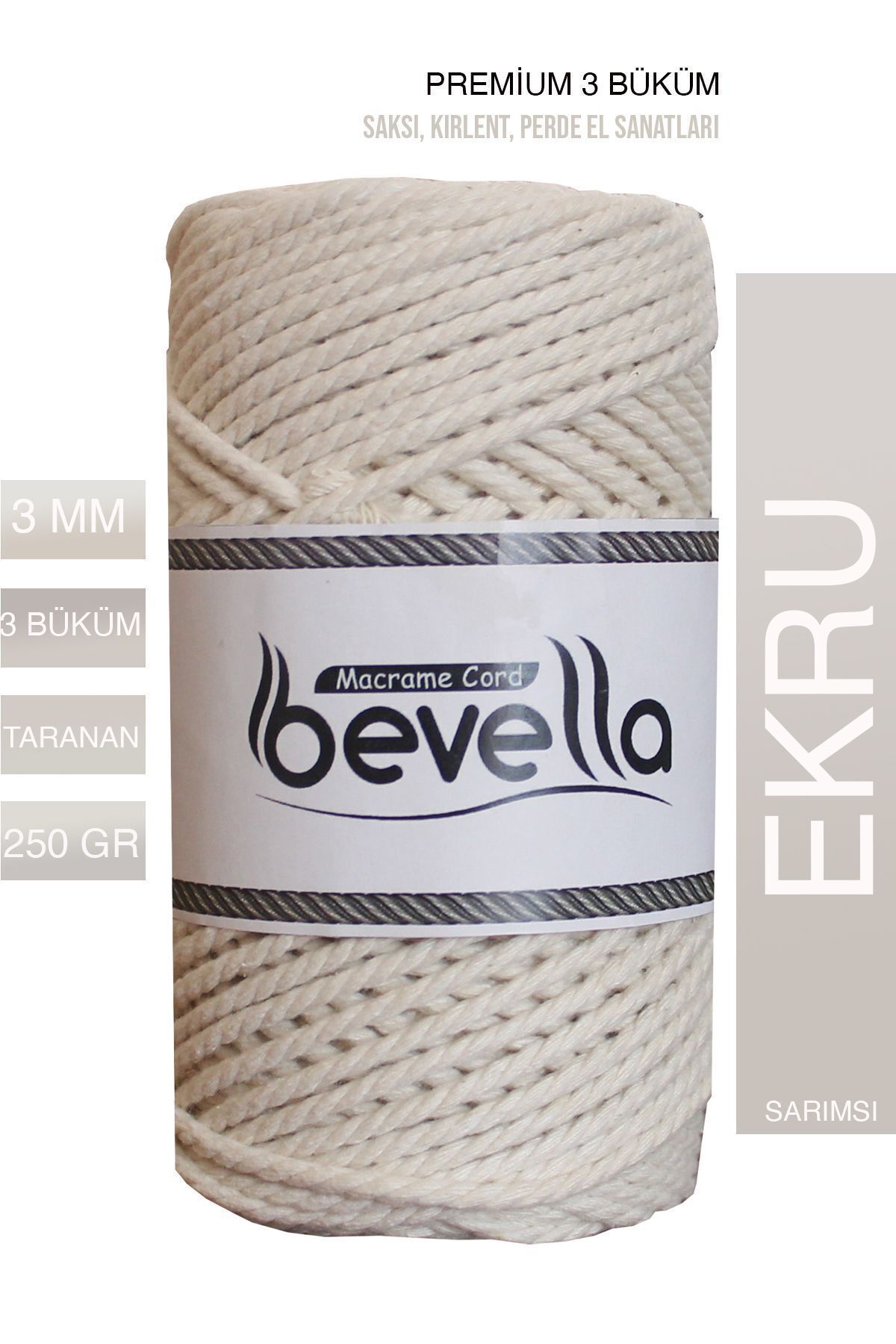
Authentic martenicka tradition requires twisted cotton cord in red and white, typically 1-2mm in diameter. Synthetic alternatives exist in markets, but ethnographic tradition bearers consistently identify cotton as the correct material. A 2021 survey of Bulgarian craft practitioners found that 89% used cotton cord for traditional martenicka production, with polyester used only in lower-cost commercial pieces.
| Cord Type | Diameter | Best For | Authenticity Rating |
|---|---|---|---|
| Twisted cotton, red | 1mm | Bracelets, fine wristbands | Highest (traditional) |
| Twisted cotton, white | 1mm | Bracelets, fine wristbands | Highest (traditional) |
| Twisted cotton, red/white | 2mm | Pizho and Penda dolls, pendants | Highest (traditional) |
| Braided cotton | 1-2mm | Modern bracelet forms | High (accepted variant) |
| Polyester / acrylic | Any | Commercial mass production | Low (non-traditional) |
How to Make a Traditional Martenicka Bracelet: Step-by-Step
The simplest martenicka form is a twisted bracelet from one red and one white cord. This design takes under 15 minutes and requires no tools beyond scissors. Historical records confirm that simple twisted-cord martenicka date back at least to the 10th century CE in Bulgarian archaeological contexts.
What You Need
- 1mm or 2mm twisted cotton cord: 60cm red, 60cm white
- Scissors
- A small clip or clothespin (to hold during twisting)
Step 1: Prepare Your Cords
Cut one length of red cotton cord and one of white, each 60cm long. Hold them together at one end and tie a single overhand knot about 3cm from the top. This knot becomes the starting anchor and later one end of the bracelet closure.
Step 2: Fix the Anchor
Attach the knotted end to a fixed point with your clip. A doorknob, drawer handle, or a friend's finger all work. The anchor point needs to hold tension while you twist without moving.
Step 3: Twist Each Cord Individually
Hold both cords taut. Twist the red cord clockwise between your fingers for its full length. Then twist the white cord clockwise in the same way. Both cords need significant individual twist, about 30-40 turns for 60cm. They'll curl on themselves if you release tension. Keep them taut.
Step 4: Twist the Two Cords Together (Counter-Clockwise)
While keeping both cords under tension, allow them to twist around each other counter-clockwise. This counter-twist locks the individual twists in place and creates the classic martenicka spiral. Work evenly from the anchor toward your hand. The twist will form naturally if you maintain even tension.
Step 5: Finish the Bracelet
When you've twisted the full length, hold the free ends together and tie another overhand knot to secure. Leave 5-8cm of loose cord on each end for tying the bracelet on your wrist. Trim the excess to match length. A traditional martenicka bracelet sits gently against the wrist, not tight.
How to Make Pizho and Penda Dolls
Pizho and Penda doll-form martenicka require slightly more cord and time but remain accessible to beginners. Each figure uses about 80-100cm of 2mm cotton cord in its respective color. Traditional doll measurements recorded in ethnographic collections average 4-6cm in height.
Materials for One Pair
- 2mm twisted cotton cord: 100cm white (for Pizho), 100cm red (for Penda)
- Scissors
- Small piece of cardboard, 5cm wide (for winding)
- Short length of 1mm cord in contrasting color for binding
Step 1: Wind the Body
Wind white cord around the 5cm cardboard 6-8 times to create a bundle. Slide the bundle off. Tie tightly 1cm from one end to form the head. This compressed bundle becomes Pizho's body. Repeat with red cord for Penda.
Step 2: Form Arms (Pizho) or Skirt (Penda)
For Pizho: separate a few strands from the middle of the bundle before tying the waist, pull them horizontally, and bind the waist below. This creates arm loops. For Penda: fan out the lower half of the bundle evenly around the body and bind the waist, leaving the fanned lower portion as a skirt.
Step 3: Form Legs (Pizho Only)
Divide the remaining lower bundle into two equal halves. Bind each half at the bottom with a small wrap of contrasting cord to form feet. Pizho now has two defined legs. Trim lower ends evenly.
Step 4: Join the Pair
Tie Pizho and Penda together at their waists or backs with a short length of red-and-white twisted cord. The joining cord becomes the hanging loop or bracelet attachment. Trim all ends neatly. The completed pair should be snug and compact, 4-6cm tall.
What Are the Customs for Wearing and Releasing a Martenicka?
The wearing customs are as specific as the making. Martenicka are pinned to clothing (traditionally to the left breast, over the heart) or tied to the left wrist on March 1st. They're worn until the wearer sees the first sign of spring: a stork in flight, a swallow, or the first blossoming fruit tree. A 2022 ethnographic study found that 74% of Bulgarian adults still actively observe the tradition, with giving customs strongest in rural areas and among people over 45.
The Release Ritual
Once you've spotted spring's arrival, you remove the martenicka and tie it to a flowering or blossoming branch, or place it under a stone. The branch-tying custom is meant to transfer the good health and vitality symbolized by the red cord to the growing plant, merging your winter's-end wish with the tree's new growth. Some traditions hold that tying to a rose bush ensures a good summer.
Giving and Receiving Customs
Giving a martenicka to someone is a mark of care and affection. You give them to family first, then friends, then colleagues and neighbors. It's common for Bulgarian children to arrive at school on March 1st already wearing multiple martenicka from parents and grandparents, and to exchange small handmade ones with classmates. The number worn is a visible sign of how many people wish you well.
Where Else Is the Martenitsa Tradition Celebrated?
The tradition exists across multiple Balkan countries under different names. Romania calls it martishor, Moldova follows similar customs, and North Macedonia celebrates martenica. Each national variant has local adaptations in form and color, but the core elements, red and white cord gifted on March 1st, remain consistent. UNESCO's multi-country inscription recognized four nations as co-holders of the tradition.
In diaspora communities, the tradition travels with people. Bulgarian communities in Germany, the UK, the United States, and Australia observe March 1st actively. Online marketplaces show strong seasonal demand spikes for martenicka/martenitsa from late February onward, with craft marketplaces search volume for "martenitsa" rising approximately 400% in the two weeks before March 1st each year, based on public craft marketplaces trend data.
In our experience supplying cord to craft communities across Europe, the demand peak for 1-2mm red and white twisted cotton cord begins in late January as makers prepare stock for March distribution. Orders from Bulgaria, Romania, and the Bulgarian diaspora in Germany account for the majority of that seasonal spike.The Martenicka Is a Living Tradition Worth Making by Hand
The martenicka endures because it works on multiple levels at once. As a folk object it's culturally grounded, connected to mythology and seasonal rhythm. As a social gesture it's simple enough for anyone to participate in. And as a handcraft project it's accessible to complete beginners with just cord, scissors, and 15 minutes.
If you're making martenicka to participate in the tradition authentically, use 1-2mm twisted cotton cord in pure red and white. Skip synthetic substitutes. The fiber choice isn't incidental: cotton's softness against skin, its biodegradability when tied to a spring branch, and its long association with handcraft all reinforce what the tradition means. Materials carry meaning. Choose yours accordingly.
Frequently Asked Questions
What is the difference between martenicka, martenitsa, and martishor?
They're regional names for the same general tradition. Martenitsa and martenicka are Bulgarian spellings of the same word. Martishor is the Romanian version of the tradition, typically featuring a small metal charm on red-and-white cord. All forms are worn on March 1st to welcome spring, but the specific customs and forms vary by country and region. UNESCO's 2017 inscription covers all four national variants.
Can I use any red and white cord, or does the material matter?
Traditional martenicka use twisted cotton cord, and the material genuinely matters for authenticity. Cotton has been the historical material for centuries. Synthetic alternatives are common in cheap commercial versions but are not considered traditional. For handmade pieces intended as meaningful cultural objects, use 1-2mm twisted cotton cord in saturated red and natural white. The texture and feel of cotton against the wrist also differ noticeably from polyester.
When exactly do you put on a martenicka and when do you take it off?
You put it on the morning of March 1st. You wear it until you see the first spring sign: a stork, a swallow, or a blossoming fruit tree. In urban areas without easy access to storks or orchards, many people follow a loose calendar custom and remove it by the end of March. You then tie it to a flowering branch or place it under a stone as a release offering.
Is it appropriate for non-Bulgarians to make and wear martenicka?
Yes. The tradition has always been shared freely and the UNESCO inscription specifically notes its role in community cohesion and cultural exchange. Giving or wearing a martenicka as a mark of goodwill toward the Bulgarian community, or out of appreciation for the tradition, is welcome. The key respect markers are using authentic materials, understanding what the gesture means, and engaging with it sincerely rather than treating it as purely decorative.
How much cord do I need to make martenicka for a classroom or group event?
For a simple twisted bracelet, allow 60cm each of red and white per person. For a group of 30, that's 18m of each color. For Pizho-Penda doll pairs, allow 100cm of each color per person. Cotton cord in 1-2mm diameter is available in bulk spools from wholesale suppliers, which reduces cost significantly for group craft events compared to retail craft store pricing.
What color red is correct for a traditional martenicka?
Traditional martenicka use a bright, saturated red, close to a pure primary red rather than burgundy, crimson, or coral. In Bulgarian folk tradition the color is specifically described as the red of health and blood, vivid rather than dark. For cord purchases, look for what manufacturers label "red" or "fire red" rather than "wine", "rose", or "raspberry". The white should be pure natural white or cream, not gray-toned.