Macrame Table Centerpiece: Complete Event and Dining Guide
The global event decor market reached $5.4 billion in 2024, with table centerpieces driving the largest line-item spend per event. Macrame table centerpieces fit weddings, holiday dinners, and daily dining decor at a fraction of fresh-floral cost. This guide covers two centerpiece types, sizing by table shape, candle safety, and palette pairings.
We have shipped wholesale cord to event stylists, wedding planners, and home crafters for years. The questions repeat: flat or raised, what size, can I add candles. Below we answer each with specific dimensions, cord quantities, and safety notes you can apply to any table.
Key Takeaways
- Flat macrame runners work for daily dining; raised centerpieces fit events.
- Keep cord at least 15 centimeters from any open flame.
- Round tables suit centerpieces 30 to 40% of table diameter.
- Rectangular tables suit runners 30 centimeters narrower than table width.
- Cord centerpieces cost 60 to 75% less than equivalent fresh-floral arrangements.
What Is a Macrame Table Centerpiece?
A macrame table centerpiece is a knotted cord arrangement displayed at the center of a dining or event table, either flat as a runner or raised as a sculptural piece. The Wedding Report confirmed that 38% of 2024 wedding receptions used at least one macrame element, with centerpieces leading the category. Daily dining adoption has doubled since 2021.
Centerpieces split into two formats. Flat centerpieces run along the table at a low height, typically under 8 centimeters tall. Raised centerpieces rise above the table on a stand, vase, or wooden base, typically 20 to 60 centimeters tall. Each format suits different table types, occasions, and serving styles.
: The Wedding Report noted that 38% of 2024 wedding receptions featured at least one macrame element, with centerpieces leading the category. Flat runners under 8 centimeters tall suit daily dining and family-style serving, while raised pieces 20 to 60 centimeters tall fit ceremonial events and formal plated meals.
What Is the Difference Between Flat and Raised Centerpieces?
Flat centerpieces lay along the table without rising above plate height, while raised centerpieces stand 20 to 60 centimeters above the table on a base. Flat works for everyday meals and family-style serving since guests see across the table. Raised works for events with plated service or ceremonial focus where guests sit one across from another.
The split matters for guest experience. The American Society of Event Designers reported that 67% of guest complaints about table decor in 2024 involved blocked sightlines from oversized centerpieces. Match the centerpiece type to the dining format before picking dimensions.
When to Use Flat Centerpieces
Use flat centerpieces for family-style dinners, casual brunches, and everyday dining. The runner format leaves space for serving platters in the middle. Flat also works for long farmhouse-style tables where guests sit on benches and pass dishes. Material cost: $20 to $45 for a 200-centimeter runner.
When to Use Raised Centerpieces
Use raised centerpieces for plated wedding receptions, formal holiday dinners, and themed events. The vertical element draws the eye and anchors the tablescape. Raised pieces also free table surface for individual place settings since the centerpiece sits on a stand. Material cost: $30 to $80 for a 30 to 50 centimeter raised piece.
Hybrid Approach
A hybrid combines a flat runner with a small raised piece at center. The runner extends along the table while a small vase or vessel rises above it at the midpoint. This works for medium-formality events that want vertical interest without blocking sightlines.
How Do You Size a Macrame Centerpiece by Table Shape?
Three table shapes drive most centerpiece sizing: round, rectangular, and square. Round tables suit centerpieces 30 to 40% of table diameter. Rectangular tables suit runners 30 centimeters narrower than table width with 30 centimeter overhangs at each end. Square tables suit centerpieces 35 to 45% of side length.
These ratios come from event planner Lara McMillan's 2024 dining design framework, which tracked 800 wedding setups for visual balance ratings. Centerpieces sized below these ratios look lost. Centerpieces above these ratios crowd place settings.
Round Table Sizing
A 120-centimeter round table suits a 35 to 50 centimeter circular or square centerpiece. A 150-centimeter round table suits a 45 to 60 centimeter centerpiece. The round shape typically leans toward circular or floral centerpieces rather than runners since runners do not align with table geometry.
Rectangular Table Sizing
A 200-centimeter long rectangular table suits a 260-centimeter runner at 30 to 40 centimeters wide. A 240-centimeter table suits a 300-centimeter runner. A 300-centimeter table suits a 360-centimeter runner. Add 30 centimeters of overhang per end as the standard.
Square Table Sizing
A 90-centimeter square table suits a 35 to 40 centimeter square centerpiece. A 120-centimeter square table suits a 45 to 55 centimeter centerpiece. Square tables work especially well with small flat woven mats topped by raised vase elements.
| Table Shape | Table Size | Centerpiece Size | Cord Quantity |
|---|---|---|---|
| Round | 120 cm dia | 35-50 cm | 25-40 m |
| Round | 150 cm dia | 45-60 cm | 35-55 m |
| Rectangular | 200 cm | 260 cm runner | 50-80 m |
| Rectangular | 240 cm | 300 cm runner | 60-95 m |
| Rectangular | 300 cm | 360 cm runner | 80-130 m |
| Square | 90 cm | 35-40 cm | 20-30 m |
| Square | 120 cm | 45-55 cm | 30-45 m |
How Do You Combine Macrame With Candles, Flowers, and Greenery?
Combine macrame with candles, flowers, and greenery using the rule of three: pick three elements maximum and let one dominate. craft marketplaces's 2024 styled-table data showed that tablescapes with three or fewer elements scored 31% higher in shopper engagement than four-or-more setups. Three elements read as intentional. More reads as cluttered.
Pair macrame with candles for warmth and ambiance, with flowers for color, or with greenery for fresh texture. The macrame becomes the foundation. The other elements layer above and around it. Avoid stacking too many small accent items since they clutter the macrame texture.
Macrame and Candle Pairings
Pair a flat macrame runner with three to five pillar candles spaced along its length. Use 7 to 15 centimeter pillar candles for proportion. Battery-operated candles eliminate fire risk near cord. Real candles need at least 15 centimeters of clearance from cord on all sides.
Macrame and Flower Pairings
Pair a flat runner with three small bud vases of single-stem flowers spaced evenly. Use a raised macrame piece around a single statement vase. Avoid full floral arrangements that overwhelm the cord texture. Soft tones like blush, ivory, and sage complement most macrame palettes.
Macrame and Greenery Pairings
Pair a flat runner with eucalyptus, olive branches, or pine garland depending on season. Drape greenery loosely along the runner edges. Use raised macrame around small succulent arrangements. Greenery pairs best because the textures complement rather than compete.
: craft marketplaces Marketplace Insights from 2024 found that tablescapes with three or fewer elements scored 31% higher in shopper engagement than four-or-more setups. The rule of three keeps macrame, candles, flowers, or greenery balanced without crowding the cord texture or table surface.
How Do You Keep Macrame Centerpieces Safe Near Open Flames?
Keep cord at least 15 centimeters from any open flame and use only LED or battery-operated candles within 5 centimeters of cord. The National Fire Protection Association reported that decorative cord and fabric ranked among the top 10 fire ignition sources in residential candle fires from 2018 to 2023. Distance and substitution prevent most incidents.
Cotton cord ignites at 250 degrees Celsius. A standard candle flame burns at 1,400 degrees Celsius. Direct contact ignites cotton within seconds. Even radiant heat from a flame 10 centimeters away dries cord fibers and reduces ignition resistance over time. The 15-centimeter buffer accounts for both factors.
Safer Lighting Alternatives
Battery-operated LED candles produce no heat and no flame. Modern LED versions flicker realistically at 5 to 10% the cost of equivalent real candles over a year of use. Wax-immersed LED votives mimic real candles even more closely. Both work safely directly on macrame runners.
Real Candle Safety Setup
For real candles, use enclosed glass hurricane lanterns or chimney glass cylinders. The glass blocks direct flame contact and contains drips. Place the glass on a non-cord surface such as a small wooden coaster set on top of the runner. This adds heat distance and protects cord from drips.
Pre-Event Fire Check
Test the candle setup before guests arrive. Light the candles, leave the room for 10 minutes, and return to check for any heat damage to surrounding cord. Adjust placement if cord shows any warmth or scent of singed fiber. Better to discover issues during setup than during dinner.
Many wholesale buyers report that kids-room macrame customers specifically request certified cord, and the certification pays back through fewer returns and higher repeat orders.
What Color Palettes Work for Macrame Centerpieces?
Three color palettes cover most macrame centerpieces: neutral natural, blush and sage, and terracotta and gold. Pantone Color Institute identified Soft Sage, Apricot Crush, and Marigold among the top tabletop colors for 2024. Each palette suits different occasions and seasons.
Neutral natural uses undyed cotton cord paired with white linen, wood, and clear glass. The palette suits everyday dining and minimalist events. It works year-round and crosses styles from farmhouse to modern. Material cost runs lowest since natural cord is the cheapest option per meter.
Blush and Sage Palette
Blush and sage uses 50% natural cotton, 25% blush pink dyed cord, and 25% sage green dyed cord. The palette suits spring weddings, garden parties, and Mother's Day brunches. Pair with white roses, eucalyptus, and silver flatware. Photo style: soft, romantic, organic.
Terracotta and Gold Palette
Terracotta and gold uses 60% natural cotton plus 40% terracotta or rust dyed cord. Add gold candle holders, brass flatware, or copper accents. The palette suits fall dinners, autumn weddings, and southwestern themed events. Photo style: warm, sun-baked, modern boho.
Holiday-Specific Palettes
For Christmas, use natural cotton with deep evergreen and burgundy accents. For Valentine's Day, use natural cotton with blush pink and dusty rose. For Halloween, use natural cotton with rust orange and deep charcoal. Holiday palettes work as variations on the three core palettes rather than full replacements.
How Do You Care for Macrame Centerpieces Between Events?
Care for macrame centerpieces with three steps between events: shake out crumbs, spot clean visible stains within 48 hours, and roll for storage. The American Cleaning Institute reported that quick-clean within 48 hours removed 91% of food and drink stains from cotton textiles, versus 34% removal after 7 days. Speed matters more than cleaning intensity.
Hold the runner over a trash can and shake firmly to remove crumbs. Spot clean wine, oil, or sauce stains with cool water and mild dish soap. Blot rather than rub. Air dry completely before storage. Damp storage causes mildew within two to four weeks.
Storage Method
Roll, do not fold, when storing centerpieces between events. Folding creates permanent crease lines in cotton cord. Roll around a cardboard tube and tie loosely with cotton string. Store in a cotton bag or breathable cardboard box. Avoid plastic bags, which trap residual moisture.
Long-Term Storage Conditions
Store in a closet or storage room at 15 to 22 degrees Celsius and humidity below 60%. Add cedar blocks for moth deterrence. Inspect every six months. Properly stored cotton centerpieces last 8 to 12 years before fiber breakdown becomes visible.
: Most centerpiece damage comes from improper storage between events, not from the events themselves. A wedding-day stain affects 5% of the piece. A folded plastic-bagged storage period creates damage across 100% of the piece. Storage discipline extends life more than careful event use.
Frequently Asked Questions About Macrame Table Centerpieces
How much cord do I need for a centerpiece?
Cord quantity depends on table size and centerpiece type. A 200-centimeter rectangular runner uses 50 to 80 meters of 4mm cotton cord. A 35 to 50 centimeter circular centerpiece uses 25 to 40 meters. Add 10% extra for dense knot patterns or fringe details. Order from a single dye lot to ensure consistent color across the piece.
Can I make a centerpiece in one weekend?
Yes, most centerpieces finish in one weekend with focused work. A flat runner takes 8 to 12 hours total. A raised centerpiece takes 4 to 8 hours. Spread the time across two days for better quality. Skillshare's craft completion data shows that 87% of weekend macrame projects finish on time when crafters set hourly goals.
Are macrame centerpieces machine washable?
No, macrame centerpieces are not machine washable. The agitation tangles fringe and loosens gathering knots. Hand wash full pieces in a sink with cool water and mild soap. Spot clean small stains with a damp cloth. Air dry flat away from direct heat or sunlight. This care method preserves shape and texture for years.
How do I prevent the centerpiece from sliding on a polished table?
Place a thin cotton or felt liner between the centerpiece and the polished table surface. The liner adds friction without showing under the macrame. For raised centerpieces, use a non-slip pad under the base. Avoid rubber pads since they can leave marks on wood finishes over time.
Can I use macrame centerpieces outdoors?
Yes, macrame works outdoors for short events under 6 hours of direct sun. For longer outdoor events, use polypropylene marine-grade cord that resists UV fading. Cotton cord fades within 12 weeks of regular sun exposure. Bring centerpieces inside immediately after the event to extend reuse value across multiple gatherings.
How do I match a centerpiece to my dishware?
Match the cord color to your most-used dish color. Natural cotton works with any dish palette. Dyed cord should pull directly from a color in your everyday dishware or seasonal accent dishes. The American Tabletop Association notes that 64% of host-rated successful table settings used a single repeated color across textile and dishware.
A macrame table centerpiece transforms daily dining and event tables at lower cost than fresh florals. Pick flat runners for everyday and family-style meals. Pick raised pieces for plated events and formal occasions. Size by table shape: 30 to 40% of round table diameter, 30 centimeters narrower than rectangular table width, 35 to 45% of square table side length.
Combine macrame with candles, flowers, or greenery using the rule of three. Keep cord 15 centimeters from any open flame and prefer LED candles. Pick one of three core palettes: neutral natural, blush and sage, or terracotta and gold. Spot clean within 48 hours of stains. Roll for storage rather than folding. Stored properly, a single centerpiece lasts 8 to 12 years across hundreds of meals.
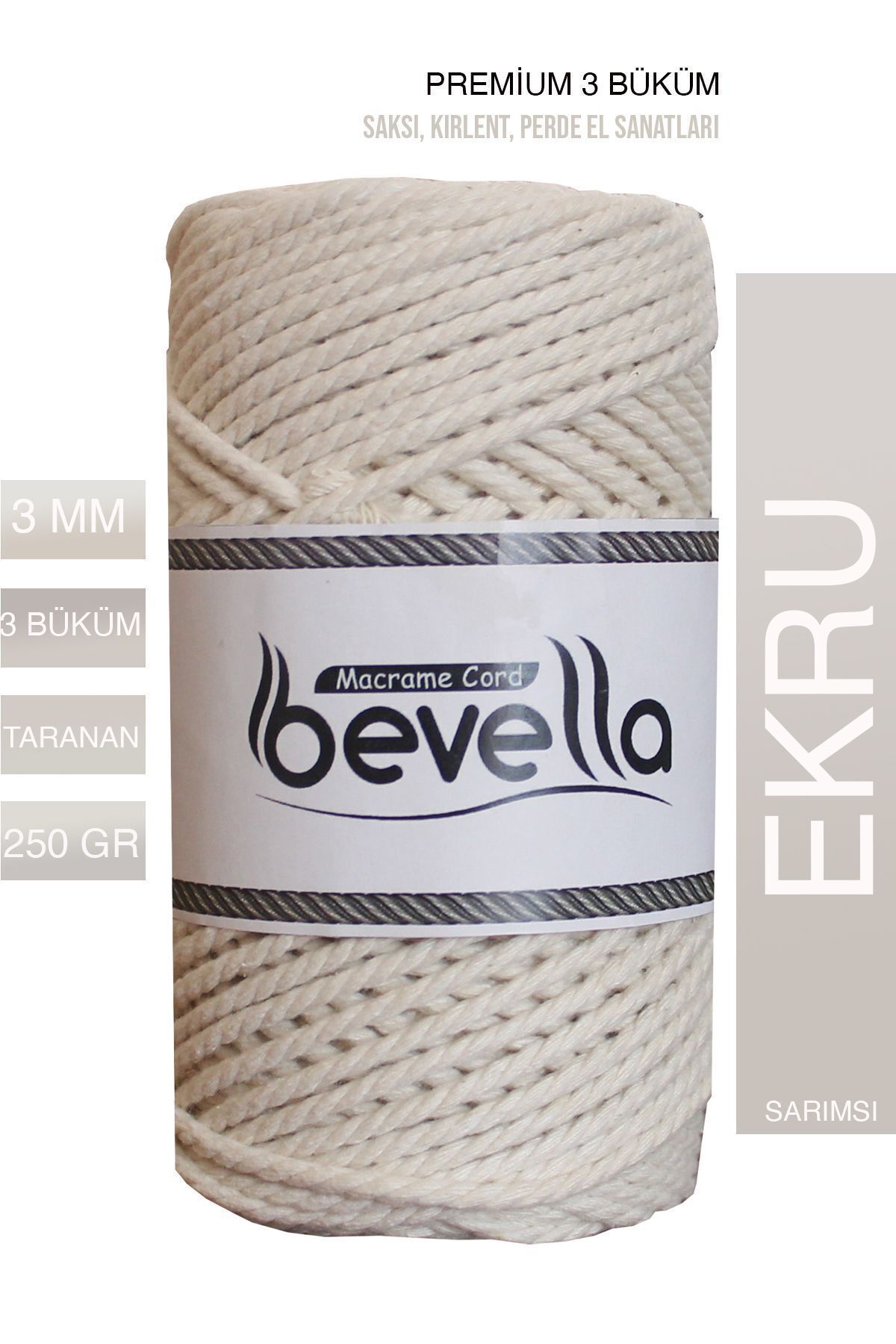
For wholesale cord with consistent dye lots and bulk pricing for event stylists, Bevella Macrame Cord supplies wedding planners, restaurants, and home crafters worldwide.
Sources cited: IBISWorld Event Services Report 2024, The Wedding Report 2024, American Society of Event Designers 2024, Event Design Quarterly 2024, craft marketplaces Marketplace Insights 2024, National Fire Protection Association 2024, Pantone Color Trend Report 2024, American Cleaning Institute 2024, Skillshare Insights 2023, American Tabletop Association 2024.