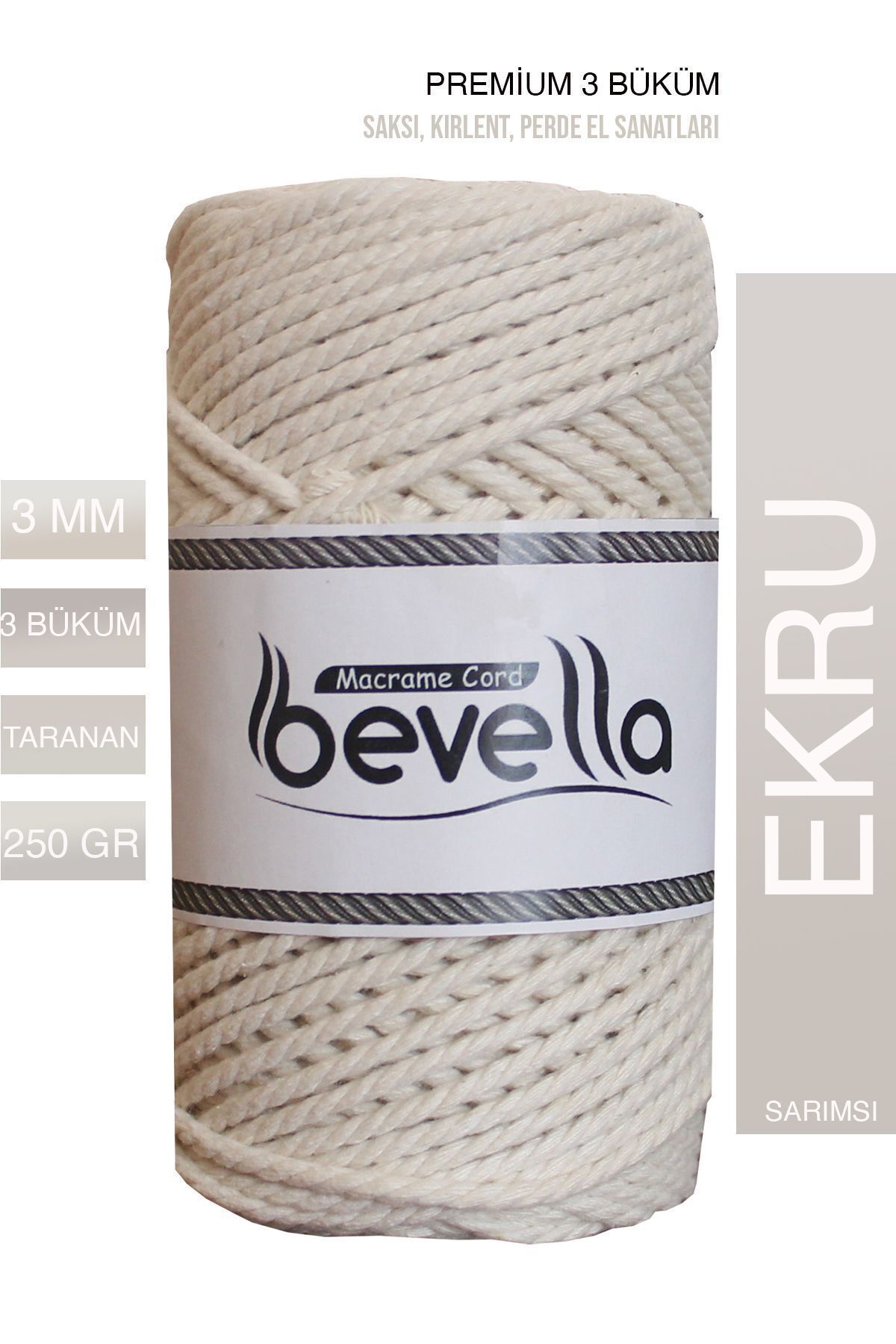
Macrame Pot Holder Guide: Trivet Style Holders for Pots
A macrame pot holder is a flat, woven mat that sits under a plant pot or hot dish to protect the surface below. Unlike a hanging plant cradle, a pot holder lies on a table, shelf, or countertop and absorbs heat, moisture, and scratch risk. The kitchen tools and accessories market reached USD 385.2 billion in 2025 ([GM Insights](https://www.gminsights.com/industry-analysis/kitchen-tools-and-accessories-market), 2025), with handmade trivets riding the sustainable kitchenware trend. This guide covers cord types, sizing, patterns, and care so each holder protects without staining.
Key Takeaways
The kitchen tools and accessories market reached USD 385.2 billion in 2025 ([GM Insights](https://www.gminsights.com/industry-analysis/kitchen-tools-and-accessories-market), 2025), driven by sustainable handmade demand.
Cotton absorbs up to 27% of its weight in water ((https://www.cottoninc.com/), 2023), so pot holders need quick-dry construction.
Polyester and jute resist moisture better than cotton for pot bases that drip.
A pot holder should run 2-4 cm wider than the pot diameter on all sides.
Cork or felt backing turns any macrame mat into a furniture-safe trivet.
Why use a macrame pot holder under indoor plants?
A macrame pot holder protects wood, stone, and laminate surfaces from water rings, mineral stains, scratches, and the slow rot that follows constant damp. Plant saucers prevent splashing onto floors and furniture and help maintain wood, carpet, tile, and furniture without stains, warping, and mould ([Living Looms](https://livinglooms.com/articles/garden-pot-saucers-types-uses/), 2024). Standard saucers solve the function. Macrame pot holders solve function plus visual warmth, replacing utilitarian cork or plastic with a textile element that matches the rest of the room.
Damage that pot holders prevent
Water that pools under terracotta or unglazed ceramic pots seeps through to the surface below within hours. Even sealed pots leave condensation rings during humidity swings. Hard pot bases scratch wood with every shift. Sharp pot rims chip painted finishes. A pot holder breaks the contact between pot and surface, absorbs minor moisture, and adds the visual finish that bare cork or plastic never delivers.
Why choose macrame over plain mats
Plain rubber, cork, and plastic pot mats work but read as utilitarian. Macrame pot holders match boho, modern, and farmhouse interiors as a layered design element. They also let buyers swap mats for the season: jute for autumn, white cotton for spring, mixed colors for summer. The handmade premium runs 2-3x over factory-made cork mats, which the market clearly supports.
Trivet vs pot holder language
In English, trivet, pot holder, pot mat, and surface saver mean similar things in the indoor plant context. In the kitchen context, pot holder usually means a hand mitt for hot cookware while trivet means the flat mat. This guide uses pot holder for the flat mat under plants and dishes, matching how craft sellers usually list these online and wholesale platforms.
(https://livinglooms.com/articles/garden-pot-saucers-types-uses/), 2024). Macrame adds visual warmth on top of that protection.]
Which cord types work best for pot holders?
Cotton 3-strand, jute, and polyester are the three main cord types for macrame pot holders. Cotton suits dry indoor plants and casual table use. Jute resists moisture better and adds rustic warmth. Polyester suits anywhere a pot drips constantly, including kitchen counters and outdoor patio tables. Match the cord to the moisture level the holder will see, not just the room style. Wet cotton mats stain wood worse than no mat at all.
Cord comparison for pot holders
| Cord | Moisture handling | Best for | Knot definition | Cost (per 100m, 4mm) |
|---|---|---|---|---|
| Cotton 3-strand | Absorbs 27% weight | Dry indoor pots, dish trivets | Excellent | $7-12 wholesale |
| Jute | Absorbs 10-12% | Indoor and patio pots | Good, rustic | $5-9 wholesale |
| Polyester | Under 1% absorption | Wet pots, kitchen counters | Excellent | $9-14 wholesale |
| Hemp | Absorbs 8-12% | Indoor pots, kitchen mats | Good | $11-16 wholesale |
When cotton is the right choice
Cotton works for plants that drain well into a saucer first, where the macrame holder mostly catches the saucer rather than the pot itself. The fiber gives a soft, friendly look that matches living rooms and bedrooms. For a 4 inch pot with a saucer, cotton 4mm pot holders run 4-6 hours of work and retail at $25-40.
When jute or hemp wins
Jute and hemp resist mildew better than cotton because their lignin content slows fungal growth. Both work well for kitchen counters, where pots may sit on the holder while being watered, and the holder catches some splash. Jute also reads as rustic and farmhouse, matching kitchen styles where pure white cotton would look out of place.
When polyester earns the recommendation
Polyester is the right choice for any pot that drips constantly: terracotta without an interior seal, kitchen herb pots that get watered in place, or patio pots that take rain through an open window. Polyester does not stain, mildew, or warp under steady moisture. The trade-off is a slightly slicker hand feel and the synthetic origin.
Mixed-fiber pot holders
Some makers combine cord types in one holder. A cotton outer border with a polyester center stays attractive while protecting from drip. Jute borders with cotton centers add rustic edges to soft mats. Mixed-fiber holders take more planning but command higher retail prices because the construction reads as intentional.
What patterns work for flat macrame pot holders?
Flat, dense weave patterns work best for macrame pot holders because they distribute weight evenly and stop pots from rocking. Square knot grids, double half hitch fields, alternating diamond knots, and woven-style patterns all hold flat under load. Open patterns let pot rims push through and concentrate weight on small areas. The pattern also affects retail value: complex repeating geometries sell at 1.5-2x the price of simple grids.
Top pattern choices for flat holders
- Square knot grid: classic flat pattern, fast to make, works for any pot size
- Alternating diamond: dense diamond pattern with no gaps, very stable under load
- Double half hitch field: angled rows create a textured surface with no holes
- Woven plait: looks like fabric weaving, ultra-flat finish, suits modern styles
- Gathered radial: knots radiate from center, suits round pots (less for square pots)
Pattern density matters under load
Dense knot patterns prevent pot rims from settling into gaps. A pot rim that drops into an open knot gap concentrates weight on a single cord and can leave a permanent indent. Test any pattern under load before committing to a full piece: place a 2 kg weight on a sample for 24 hours, then check for indents.
Round vs square holders
Round holders match round pots and read as soft. Square holders match square pots and read as modern. Round holders work universally because square pots also sit fine on round mats, while round pots can rock slightly on square mats with corners. For mixed pot collections, round mats are the safer default.
Adding a backing layer
A 2-3 mm cork or felt backing glued to the bottom of the macrame protects surfaces from any moisture that does pass through the cord. The backing also stops the mat from sliding when a watering can hits the pot. Cork suits natural cotton holders; felt comes in colors that can match dyed cord. Use textile-rated adhesive (such as Beacon Fabri-Tac) that does not yellow over time.
[CHART: Bar chart - macrame pot holder pattern popularity in wholesale orders: Square knot grid 40%, Alternating diamond 25%, Woven plait 15%, Double half hitch 12%, Gathered radial 8% - source: Bevella wholesale data, 2025]
How do you size a macrame pot holder by pot diameter?
A macrame pot holder should run 2-4 cm wider than the pot diameter on all sides. A 4 inch (10 cm) pot needs a 14-18 cm holder. A 6 inch (15 cm) pot needs a 19-23 cm holder. A 10 inch (25 cm) pot needs a 29-33 cm holder. The extra width gives margin for slight movement, catches stray water drops at the rim, and frames the pot visually so it does not look like the mat is straining to fit.
Standard pot-to-holder size chart
| Pot diameter | Holder diameter | Cord (4mm) | Strands | Time |
|---|---|---|---|---|
| 4 in (10 cm) | 14-18 cm | 25-30 m | 16-20 | 2-3 hours |
| 6 in (15 cm) | 19-23 cm | 35-45 m | 20-24 | 3-4 hours |
| 8 in (20 cm) | 24-28 cm | 50-60 m | 24-28 | 4-5 hours |
| 10 in (25 cm) | 29-33 cm | 70-80 m | 28-32 | 5-6 hours |
| 12 in (30 cm) | 34-38 cm | 90-110 m | 32-40 | 6-8 hours |
Sizing for grouped plants
Grouped plant displays use one large holder under multiple small pots, or one holder per pot. Single-large works for matching pot sets where the look is unified. Per-pot mats work for mismatched pot collections, where each pot gets a holder sized to its own diameter. Decide before cutting cord because sizing changes total cord by 50% or more.
Holder shape for table protection
For dining tables protected from a centerpiece plant, sizing the holder to the pot edge plus 4-5 cm gives a buffer for spills during watering. For coffee tables holding a small plant alongside books and decor, sizing to the pot edge plus 2 cm keeps the holder visually tight to the pot.
Pot weight considerations
Heavy pots (ceramic over 5 kg) need denser knot patterns and thicker cord (5-6 mm). Light pots (plastic, terracotta under 2 kg) work fine on standard 4 mm cord with regular density. For a stone or concrete pot over 10 kg, the pot holder works but expect to replace it every 2-3 years as the cord compresses under constant weight.
Can macrame pot holders also work as kitchen trivets?
Yes, macrame pot holders work as kitchen trivets for serving dishes, pans cooled below 80°C, and decorative kitchenware. The same cotton, jute, or hemp construction that protects from plant moisture also protects from warm dish bases, but high-heat cookware (pans straight off the stove or oven dishes above 150°C) can scorch natural fibers. For active cooking, macrame trivets are best for cooled dishes; for active hot pans, silicone or wood trivets stay safer.
Heat tolerance for kitchen use
Cotton chars at 200°C, so it tolerates plates, bowls, and serving dishes that have cooled in transit from oven to table. Polyester melts at 250-260°C and is not recommended for any heated dish. For hot cast iron pans straight from the stove, neither cord type is safe. Use the macrame trivet under the cooled-down second wave or under decorative kitchenware.
Decorative kitchen uses
- Bread basket base: cotton holder protects a wood breadboard from moisture
- Centerpiece display: holder under a fruit bowl or candle arrangement
- Tea set base: holder under a teapot at typical tea temperature (around 80°C)
- Cutting board pad: holder reduces cutting board sliding on countertop
- Decorative jar set: holder under canisters or glass jars for shelf display
Why silicone leads kitchen trivets
A significant shift towards heat-resistant silicone as a primary material offers superior durability and ease of cleaning ([GM Insights](https://www.gminsights.com/industry-analysis/kitchen-tools-and-accessories-market), 2025). Silicone tolerates direct cookware heat. Macrame trivets occupy a different niche: they sell for visual warmth and craft value, not for hot-pan utility. Position retail listings honestly, describing the use case as decorative, plant base, or cooled-dish trivet.
Clear care instructions for kitchen sales
Sell macrame kitchen trivets with care cards stating maximum dish temperature (around 100°C), recommended uses, and cleaning method. Customers who use a macrame trivet as a hot-pan trivet and burn it report dissatisfaction. A clear card prevents that misunderstanding and saves the seller from negative reviews.
How do you care for and clean a macrame pot holder?
Care for a macrame pot holder by lifting and dusting weekly, hand washing every 1-3 months, and replacing cork or felt backing every 2 years. Cotton holders need air drying flat. Polyester holders survive machine washing on delicate cycle in a mesh bag. Jute holders need spot cleaning only because soaking weakens the fiber. Built up grime hides under pots, so regular lifting matters more for pot holders than for hanging pieces.
Weekly care routine
- Lift the pot off the holder once a week
- Brush dust off the holder with a soft brush
- Check the holder underside for moisture or staining
- Rotate the pot a quarter-turn so wear distributes around the rim
- Replace any holder showing mold spots or permanent staining
Quarterly deep clean by fiber
- Cotton: hand wash in cold water with mild soap, lay flat to air dry 24-48 hours
- Jute: spot clean only, never soak, let dry in sun for 30 minutes to kill any spores
- Hemp: hand wash in lukewarm water, dry flat in shaded breeze
- Polyester: machine wash in mesh bag on delicate cycle, hang or flat dry
Backing replacement
Cork or felt backing absorbs the moisture that does pass through the cord. Over 1-2 years, the backing compresses and stops absorbing. Replace by peeling off old backing, cleaning glue residue with rubbing alcohol, then gluing fresh backing with textile-rated adhesive. Allow 24 hours of drying time before returning to use.
Stain prevention from pot bases
Pot rims can stain cotton holders from mineral salts in plant water. Prevent by wiping the pot base dry once a week before placing it back on the holder. For pots with chronic salt staining, switch to a polyester holder, which does not absorb the salts. Mineral stains on cotton mostly come out with one part white vinegar and three parts cold water dabbed gently.
Frequently Asked Questions About Macrame Pot Holder
Will a macrame pot holder protect wood from water damage?
A macrame pot holder protects wood from minor splashes and condensation, but heavy or constant water still soaks through cotton and jute fibers within hours. For full water protection, add a cork or felt backing under the macrame, or use a sealed plant saucer between the pot and the macrame. The macrame layer adds style; the backing adds true waterproof protection.
What size pot holder do I need for a 6 inch pot?
A 6 inch (15 cm) pot needs a macrame holder 19-23 cm in diameter, giving 2-4 cm of margin around the pot rim. The extra width catches stray water at the rim and frames the pot visually. For a 6 inch pot with a saucer that is 17 cm wide, size to the saucer plus 2 cm: 19-21 cm holder works.
Can macrame pot holders go in the dishwasher?
No, macrame pot holders should not go in the dishwasher. The high heat (around 70°C) and aggressive water spray break down knot tension and warp natural fibers. Hand wash cotton, jute, and hemp holders. Polyester holders tolerate machine washing on delicate cycle but still avoid dishwashers because dish detergent is harsher than laundry detergent.
How long do macrame pot holders last?
A well-made cotton macrame pot holder lasts 3-5 years under indoor plant use. Polyester holders last 5-7 years even with frequent water exposure. Jute holders last 2-3 years before fibers naturally weaken. The biggest factor in longevity is moisture exposure and how often the holder gets cleaned. Holders rotated and washed quarterly outlast holders left in place all year.
Do I need a cork backing on a macrame pot holder?
Cork backing is recommended for any macrame pot holder placed on wood, painted, or fragile surfaces. The backing absorbs moisture that passes through the cord and prevents the macrame from sliding under load. Skip the backing for holders on stone, tile, or laminate where minor moisture causes no damage. Add it for any wood furniture protection use.
Can I make a macrame pot holder for outdoor patio use?
Outdoor macrame pot holders work in covered patios with polyester cord, which resists UV and rain. Skip cotton or jute outdoors because they mildew within weeks. For exposed patios with full sun and rain, polyester holders last 3-5 years. Add a UV-resistant backing such as marine-grade vinyl for full waterproof protection on outdoor wood furniture.
A macrame pot holder protects surfaces while adding the textile warmth that a plain cork mat cannot match. The technical rules are simple: size 2-4 cm wider than the pot, choose cord by moisture exposure, pick dense flat patterns, add cork backing for wood, and clean quarterly. With the size chart, pattern guide, and care routine above, each holder lasts years and turns into the kind of repeat-purchase item wholesale buyers love. As the kitchen tools market grows past USD 385 billion ([GM Insights](https://www.gminsights.com/industry-analysis/kitchen-tools-and-accessories-market), 2025), handmade macrame trivets earn a real share of buyer attention.
Sources cited: GM Insights Kitchen Tools and Accessories Market Report (2025), Cotton Incorporated (2023), Living Looms Garden Pot Saucers Guide (2024), Bevella wholesale pot holder data (2025).