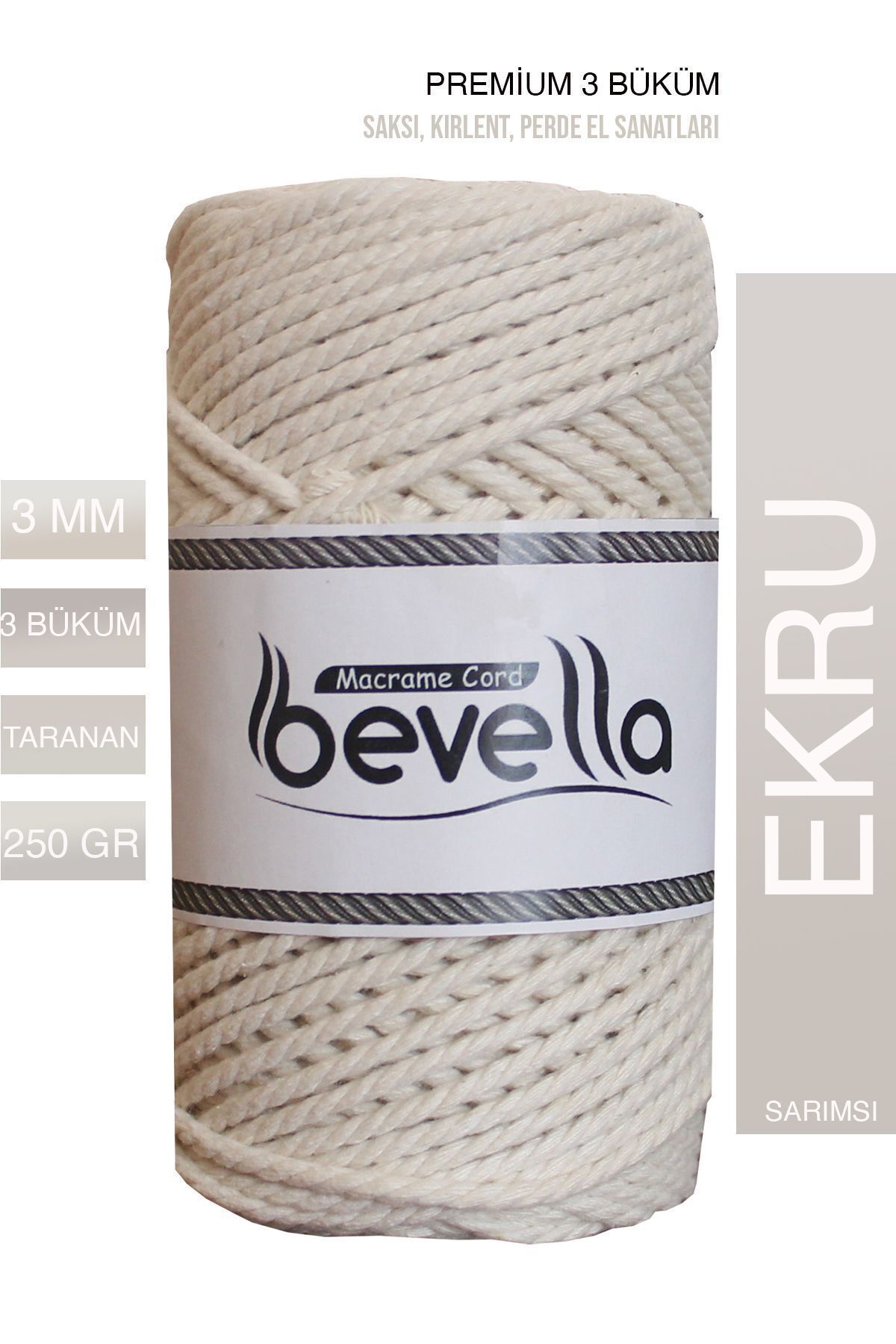
Macrame Headboard DIY: Design Ideas and Cord Guide
A macrame headboard turns a flat wall above a bed into a textured statement piece without the cost of an upholstered furniture upgrade. The global home and bedroom decor market reached $130 billion in 2024, according to data published by Statista, with handmade fibre art among the fastest-growing segments. This guide covers full-wall versus partial-panel design choices, cord thickness selection from 10mm to 20mm, knot pattern recommendations, mounting methods, and approximate cord quantities for queen and king beds.
Each section includes time estimates and skill level so you can plan a realistic build.
Key Takeaways
- The global home and bedroom decor market reached $130 billion in 2024
- craft marketplaces reports macrame headboard searches grew faster than any other macrame furniture category in 2024
- 10mm to 14mm cotton cord works for most queen-size headboards; 14mm to 20mm suits king-size builds
- A queen-size full-panel headboard takes approximately 350 to 500 metres of 12mm cord
- Mounting requires anchored screws or a sturdy 30mm to 50mm wood dowel
What Is a Macrame Headboard?
A macrame headboard is a decorative knotted panel mounted on the wall behind the head of a bed. It functions as visual decor rather than structural support, so it does not need to bear weight or rest against pillows. Most builds use thick rope-grade cord at 10mm to 20mm, mounted on a wooden dowel or rod that spans the bed width.
The macrame headboard sits in the same design family as oversized wall hangings, but with proportions sized to the bed beneath it. Width should match or slightly exceed the mattress width; height typically runs 60% to 90% of the bed-to-ceiling distance.
Should You Choose a Full Wall or Partial Panel Macrame Headboard?
Full-wall and partial-panel headboards each suit different rooms and budgets. The choice rests on three factors: ceiling height, bed size, and time available for the build. A full-wall headboard runs floor to ceiling or close to it, while a partial panel sits above the bed in a defined rectangle of 60% to 80% of the wall width.
Full Wall Macrame Headboard
A full-wall headboard makes the wall itself the headboard. It works best in rooms with 2.4 to 3.0 metre ceilings and gives a strong statement.
- Width: full wall span (typically 3 to 4 metres)
- Height: floor to ceiling minus 20cm baseboard clearance
- Cord requirement (queen): 800 to 1,200 metres of 12mm cord
- Time estimate: 60 to 100 hours
Partial Panel Macrame Headboard
A partial panel mounts above the bed in a defined rectangle. It uses far less cord and finishes faster.
- Width: matches mattress width plus 10cm overhang each side
- Height: 80cm to 120cm above mattress top
- Cord requirement (queen): 350 to 500 metres of 12mm cord
- Time estimate: 25 to 40 hours
Partial panels suit rentals where full-wall mounting is restricted. They also work for makers building their first headboard.
What Cord Thickness Works for a Macrame Headboard?
Cord thickness drives the visual weight, the perceived quality, and the cord cost of a macrame headboard. Three thickness ranges cover almost all builds: 8-10mm fine work for delicate knot patterns, 10-14mm mid-range cord for most queen builds, and 14-20mm rope-grade cord for king-size statement pieces. Pick by bed size first, then by how dense the knot pattern needs to read against the wall.
10mm to 12mm Cord
The most popular range for queen-size headboards. Thick enough to read as substantial, thin enough that knots remain workable by hand. Use 10mm for partial panels with detailed pattern work; 12mm for full-coverage builds where each knot occupies more visual space.
- Best for: queen-size partial panels, detailed pattern designs
- Knot workability: hand-tied without tools
- Per-metre weight: 90 to 120 grams
14mm to 16mm Cord
The standard range for king-size headboards. Thicker cord scales the headboard to match the larger bed beneath it.
- Best for: king-size headboards, full-wall queen builds
- Knot workability: hand-tied with stronger grip needed
- Per-metre weight: 140 to 200 grams
18mm to 20mm Cord
The maximum thickness for hand-tied work. Each knot reads as a strong sculptural element. Use sparingly for accent details or for very large full-wall builds.
- Best for: full-wall king-size headboards, oversized statement walls
- Knot workability: requires assistant or tying tools
- Per-metre weight: 240 to 360 grams
Cord Material Recommendation
Three-ply twisted cotton holds shape best for thick-cord headboards. Single-twist cotton brushes into a softer fringe but loses structural definition above 12mm. Avoid braided cotton for headboards above 10mm; the inner core gets too rigid for clean knot work.
What Knot Patterns Work Best for Macrame Headboards?
Knot pattern choice shapes the texture and visual rhythm of the finished headboard. Five patterns appear in the majority of macrame headboard designs reviewed across craft marketplaces and Pinterest in early 2026.
Alternating Square Knots
The most common headboard pattern. Square knots tied in offset rows create a closed weave with even visual texture. Suits beginners and reads as classic macrame.
Diamond Pattern with Diagonal Clove Hitches
Diagonal clove hitch lines form repeating diamond shapes across the headboard. Adds visual movement and works well for partial panels.
Berry Knot Cluster
Berry knots form raised, three-dimensional accents. Group five to nine berry knots in a cluster at the centre of the headboard for a focal point.
V-Shape Open Pattern
A V-shape using diagonal clove hitches with open spacing between cord groups. Creates a lighter, airier headboard suitable for sun-filled bedrooms.
Vertical Half-Hitch Spiral
Vertical half-hitch spirals run down each cord group. Adds vertical visual rhythm and pairs well with diagonal patterns above and below.
Most designs combine two to three patterns in horizontal bands. A typical layout: square knot section at top, diamond pattern in middle, fringe at bottom.
How Do You Mount a Macrame Headboard?
Mounting accounts for two failure points in DIY headboards: dowel sag and wall anchor pull-out. Both have straightforward solutions if you choose the right hardware before you start tying. Use a 30-50mm hardwood dowel sized to the headboard width, anchor into wall studs where possible, and add center support brackets for any panel over 160cm. The two sub-sections below cover dowel selection and anchor choice in detail.
Dowel Selection
Use a wooden dowel sized 30mm to 50mm in diameter, depending on cord thickness and headboard width. Pine and birch are the most common choices. The dowel should extend 10cm to 15cm past each side of the macrame work for visible end caps.
Wall Anchors
Use anchored screws rated for 5kg or more per anchor. A queen-size 350-metre headboard typically weighs 8 to 12 kg dry. Distribute weight across three to four anchor points spaced evenly along the dowel.
Hanging the Dowel
Two methods work for dowel mounting:
- Hidden cord loop: tie a sturdy cord loop at each end of the dowel and hook over wall hooks
- Exposed bracket: use rustic iron or brass brackets that hold the dowel ends visibly
Choose the bracket method for full-wall builds; the hidden loop method works fine for partial panels.
How Much Cord Do You Need for a Queen or King Macrame Headboard?
Cord requirements scale with both headboard size and pattern density. A queen full-panel build runs roughly 350-500 metres of 12mm cord, while a king full-panel build runs 500-750 metres of 14mm cord. Density adjustments add 20-30% for tight square-knot patterns and subtract 15-20% for open diamond meshes. Add 15% extra to every estimate for trimming and miscount, and order from a single dye lot to avoid color drift across the panel.
Cord Requirements by Bed Size and Build Type
| Bed Size | Build Type | Cord Thickness | Cord Quantity |
|---|---|---|---|
| Queen | Partial panel (80cm tall) | 10mm | 280 to 350 m |
| Queen | Partial panel (120cm tall) | 12mm | 400 to 500 m |
| Queen | Full wall (2.4m ceiling) | 12mm | 800 to 1,000 m |
| King | Partial panel (80cm tall) | 12mm | 400 to 500 m |
| King | Partial panel (120cm tall) | 14mm | 550 to 700 m |
| King | Full wall (2.4m ceiling) | 14mm | 1,000 to 1,300 m |
These estimates assume alternating square knots across most of the headboard. Open V-pattern designs use 30% to 40% less cord; berry knot clusters and diamond patterns use 10% to 20% more.
Frequently Asked Questions About Macrame Headboards
How long does a macrame headboard take to make?
A queen-size partial panel takes 25 to 40 hours of work. A king-size partial panel runs 35 to 60 hours. Full-wall builds extend to 60 to 100 hours. Most makers finish a partial panel in 6 to 10 weekends working three to four hours per session.
Can I make a macrame headboard if I am a beginner?
Beginners can attempt a small partial panel after completing one or two smaller wall hangings. Skip full-wall builds for the first headboard. The thick cord forgives uneven tension better than thin cord, but the project size demands attention to consistent knot placement.
Where do I buy thick cord for a macrame headboard?
Wholesale macrame cord suppliers and rope manufacturers stock 10mm to 20mm cotton cord. Order direct from the manufacturer for orders above 200 metres to keep per-metre cost reasonable. See our wholesale cord guide for sourcing details.
Does a macrame headboard work in a rental apartment?
Yes, with the right mounting choice. Use removable adhesive wall hooks rated for 7kg per hook for a partial panel up to 10kg. For heavier headboards, ask the landlord about anchored screw mounting.
Will a macrame headboard collect dust above the bed?
Yes, like any textile wall art. Vacuum the headboard with a brush attachment every two to four weeks to remove surface dust. Annual deep cleaning with compressed air or gentle hand washing of fringe sections keeps the piece looking fresh.
What style of bedroom suits a macrame headboard?
Boho, Scandinavian, mid-century, and coastal styles pair naturally with a macrame headboard. Strict modern minimalist and traditional formal bedrooms read less cohesively with macrame. The cord colour and pattern density adjust the formality somewhat; clean diamond patterns in cream cord read more refined than fringe-heavy boho designs.
A macrame headboard delivers visual weight and texture that transforms a bedroom without furniture replacement. Choose between a full-wall statement and a partial panel based on your ceiling height, your time, and your budget. Use 10mm to 12mm cord for queen-size builds, 14mm or thicker for king-size, and order at least 15% more cord than the calculation suggests. Mount on a sturdy dowel with anchored screws or removable hooks rated for the headboard weight. The texture above the pillows changes how the entire room reads.
Sources cited: Statista (2024), craft marketplaces Seller Handbook (2024)