Macrame Dreamcatcher Guide: Tradition, Cord & Patterns
A macrame dreamcatcher pairs a willow or metal hoop with knotted cotton cord that replaces the sinew used in traditional Ojibwe craftwork. The global handmade and crafts market sits above 906 billion dollars and grows at 8.83 percent annually through 2033, with home wall pieces leading category demand. Knotted dreamcatchers fit cleanly inside that wave because cord is forgiving, resizable, and pairs with feathers, beads, and natural fiber tassels.
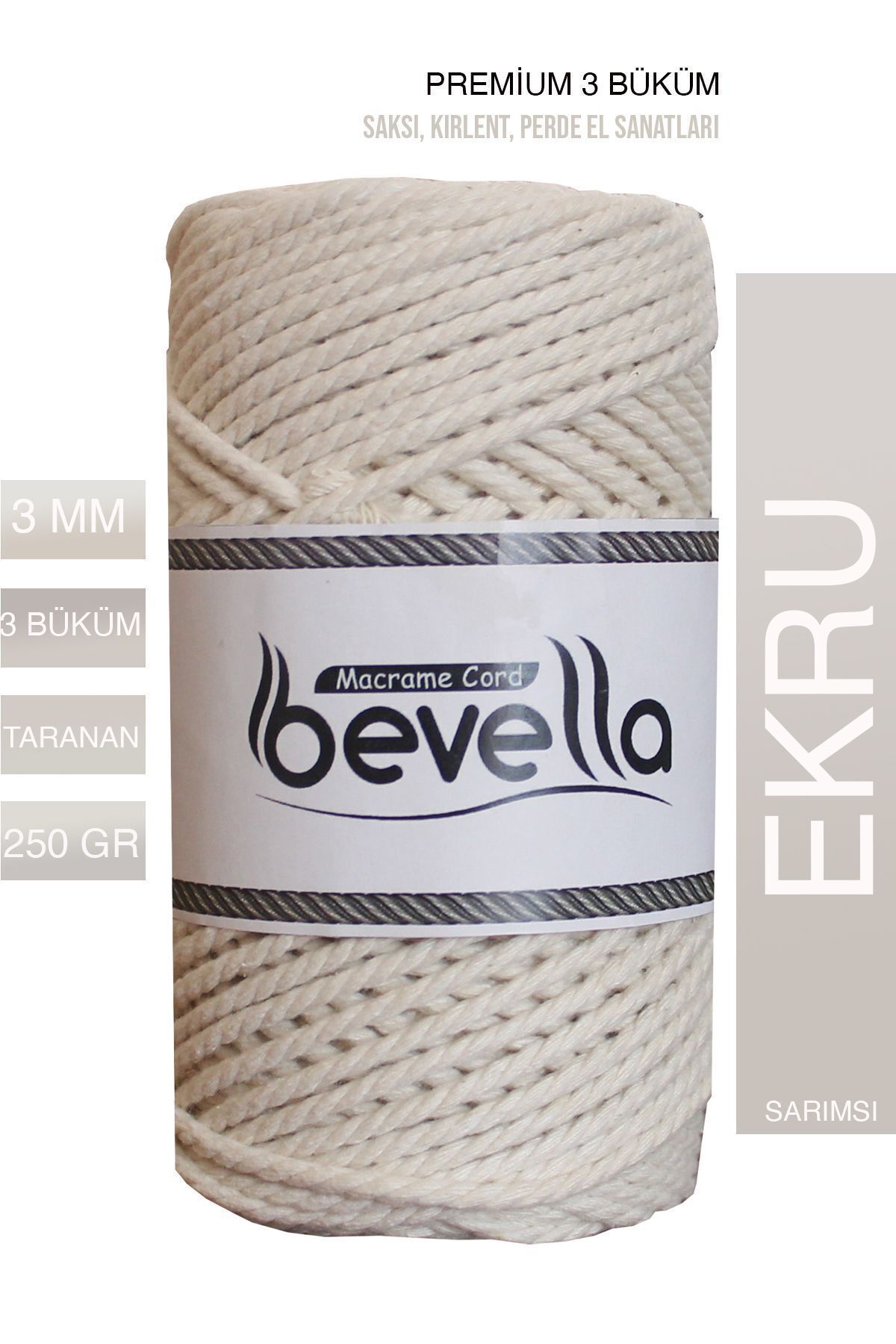
This guide covers the cultural origin of the dreamcatcher, the move from sinew to cord in modern versions, hoop and cord selection, a step-by-step web build, color symbolism, and respectful gifting. The cord quantities listed below come from Bevella wholesale orders shipped to crafters across the United States, Canada, and Europe. Approach the form with the cultural context in mind and the craft becomes more meaningful, not less.
Key Takeaways
- The global handmade and crafts market exceeds 906 billion dollars and grows at 8.83 percent CAGR through 2033.
- The US handmade market alone runs above 268 billion dollars at 9.8 percent annual growth.
- The online craft marketplace sector generated billions in 2024 with homeware as a top category (industry reports, 2024).
- Traditional Ojibwe dreamcatchers used willow hoops and sinew or plant cordage tied around a small hoop.
- A 30 cm macrame dreamcatcher uses 50 to 80 meters of 3 mm cotton cord.
What Is the Origin of the Dreamcatcher?
The dreamcatcher originates in Anishinaabe culture, where the form is called the spider web charm. According to ethnographer Frances Densmore's 1929 record, the design traces to Spider Woman, known as Asibikaashi, who wove webs to protect cradleboards. As Ojibwe families dispersed across the continent, mothers and grandmothers took up the practice using willow hoops and sinew or plant cordage.
Dreamcatchers spread beyond Ojibwe communities during the Pan-Indian Movement of the 1960s and 1970s, then entered mass-market craft sections in the 1980s. The mass-market shift detached the form from its original meaning for many makers, which is why a respectful approach matters when crafting or selling them today.
A respectful approach has three parts. Acknowledge the Ojibwe origin in product listings or gift cards. Avoid claiming the piece is sacred when it is decorative. Direct interested buyers to authentic Native-made pieces if they want a culturally rooted version. Bineshii Wild Rice, We R Native, and Native-owned online shops sell dreamcatchers made within the tradition.
Why Did Macrame Cord Replace Sinew?
Macrame cord replaced sinew in modern dreamcatchers because cord is widely available, comes in any color, and ties cleanly without the prep work that sinew requires. Traditional sinew is animal tendon dried and split into thin strands. It must be soaked before use, sets stiff once dry, and varies in thickness between strips. Cotton, hemp, and waxed polyester cord arrive in consistent diameter and tie predictably.
The cord swap also broadens accessibility. Cord costs 0.20 to 0.55 dollars per meter at wholesale, while sourcing real sinew often runs 4 to 8 dollars per yard if it is even available. The lower cost lets first-time crafters experiment without committing to a 50 dollar materials investment. The forgiveness of cord (it can be untied and re-knotted) speeds the learning curve.
For makers who want closer authenticity, faux sinew (waxed nylon cord) sits between traditional sinew and cotton cord. It has the wax sheen and tight knot definition of sinew while remaining affordable and uniform. Faux sinew at 1 mm thickness costs 6 to 10 dollars per 100-yard spool and reads close to traditional construction in the finished web.
: Traditional Ojibwe dreamcatchers used willow hoops and sinew or plant cordage; modern macrame versions substitute 1 to 3 mm cotton or waxed polyester cord, which costs 0.20 to 0.55 dollars per meter and ties more predictably than animal tendon.
What Hoop Size Should I Use?
A macrame dreamcatcher hoop runs 15 to 60 centimeters in diameter. The 25 to 35 centimeter range is the most common because it fits the majority of wall spaces and ships well at standard postal rates. Smaller 15 to 20 centimeter hoops work for car hangs and rear-view mirror gifts. Larger 50 to 60 centimeter hoops anchor entryway walls and over-bed displays.
Willow hoops are the traditional choice and read most authentic. Metal hoops in brass or steel hold tighter shape over time and survive humidity better. Wooden embroidery hoops work for smaller pieces and are widely sold at craft retailers. Skip plastic hoops because they read off-brand for a piece grounded in natural fiber craft.
| Hoop Diameter | Cord (3mm) | Build Time | Use Case |
|---|---|---|---|
| 15 cm | 25-35 m | 2-3 hr | Car hang, gift |
| 20 cm | 35-50 m | 3-4 hr | Small wall, nursery |
| 25 cm | 45-60 m | 4-5 hr | Standard wall display |
| 30 cm | 50-80 m | 5-6 hr | Statement wall piece |
| 40 cm | 80-110 m | 7-9 hr | Entryway focal |
| 50 cm | 110-160 m | 10-13 hr | Over-bed or mantel |
| 60 cm | 160-220 m | 14-18 hr | Large statement wall |
What Cord Should I Use for a Macrame Dreamcatcher?
Use 1 to 2 mm waxed polyester cord for a tight web pattern that mimics sinew. Use 3 mm single-strand cotton for a softer, fringed look that reads more boho than traditional. Faux sinew at 1 mm sits between the two and gives the cleanest knot definition. The cord choice changes the aesthetic but the build process stays the same.
For the hanging strands below the web, 3 mm or 4 mm cotton single-strand cord combs into the cleanest fringe and tassels. Match the cord type across the web and the hangings if you want a tonal piece. Mix the types if you want contrast (a tight waxed web with soft cotton fringe below).
| Element | Best Cord | Thickness |
|---|---|---|
| Web | Waxed polyester or faux sinew | 1-2 mm |
| Web (boho look) | Cotton single-strand | 2-3 mm |
| Hanging tassels | Cotton single-strand | 3-4 mm |
| Wrapped hoop | Cotton or jute | 2-3 mm |
| Beaded accent | Waxed cotton | 1 mm |
How Do I Build the Web Pattern?
The web pattern starts with the hoop wrapped in cord, then a single continuous strand tied in 8 to 12 evenly spaced anchor knots around the inner edge of the hoop. The strand passes from anchor to anchor in a zigzag, creating the first ring of the web. Each subsequent pass loops over the previous strand at the midpoint, building inward in a spiral.
The center of the web closes when the spiral reaches a hole small enough to tie off in a final knot. Many traditional dreamcatchers leave a small hole in the center on purpose, said to let good dreams pass through to the sleeper while the web catches the rest. The final knot is hidden behind a single bead or bound directly to the last anchor.
Step-by-Step Web Build
Wrap the hoop in 6 to 12 meters of cord using lark's head knots, finishing with a hidden glue or knot anchor. Tie 8 to 12 anchor loops around the inner edge using simple half-hitches at equal spacing. Pass a long working strand (3 to 6 meters) from anchor to anchor in a zigzag, looping over each previous strand. Tighten gently as you build inward. Add beads on the working strand at random points for the classic four-bead spider effect. Tie off the final loop in the center.
Common Web Mistakes
Spacing the anchor loops unevenly produces a lopsided web. Pulling the working strand too tight warps the hoop into an oval. Adding beads after the web is finished makes them sit unevenly. Skipping the hoop wrap leaves the web sliding around in humidity. Plan all four issues at the start of the build.
What Do Dreamcatcher Cord Colors Symbolize?
Cord colors carry meaning in some traditional and modern dreamcatcher styles, though specific associations vary by source and regional tradition. White or natural unbleached cord reads as pure or neutral. Black cord reads protective. Blue cord associates with calm or healing. Red cord reads as life or strength. Earth tones (brown, rust, tan) tie to grounding and stability.
These associations are general, not universal. Different communities and modern crafters interpret colors differently. When a buyer asks about color meaning, share that the symbolism is broad and varies, then suggest they pick a color that matches the recipient's space or personal connection. Avoid claiming a definitive meaning unless you are pulling from a specific tradition you can credit.
Quick Color Picks for Gifting
Cream and natural unbleached suit any room. Sage green pairs with botanical decor. Rust pairs with leather and warm wood furniture. Charcoal grounds dark accent walls. Dusty rose suits nursery and bedroom palettes. Soft blue pairs with coastal or Scandinavian decor. The visual match to the recipient's space matters more than the symbolic claim.
How Do I Add Feathers and Beads?
Feathers and beads hang from the bottom of the hoop on three to seven separate cord strands of varying lengths. Each hanging cord runs 30 to 60 centimeters long with the feather tied at the bottom and beads spaced along the length. The classic configuration uses an odd number of hangings (3, 5, or 7) and a tapered length pattern (longest at center, shorter on outer edges).
Use lawfully sourced feathers. Many native bird feathers are legally protected in the United States, Canada, and Europe under the Migratory Bird Treaty Act and similar laws. Use turkey, pheasant, peacock, ostrich, or rooster feathers, all of which are sold legally at craft retailers. Skip feathers from raptors, songbirds, or any bird identified by photographic match in case the source is questionable.
Wooden beads run 1 to 3 centimeters in diameter and pair with cotton cord without splitting it. Brass and stone beads add weight and shine. Avoid plastic beads in heirloom-quality pieces because they yellow within 3 to 5 years and devalue the piece visually. Slide beads onto the cord before tying the bottom knot to prevent rework.
How Should I Display a Macrame Dreamcatcher?
Display a macrame dreamcatcher on a bedroom wall, above a bed, in a nursery, or on a porch under cover. Avoid direct sunlight because cotton cord fades 8 to 15 percent across a single year of full sun exposure. Mount on a small wall hook or single nail. Avoid command strips on heavier pieces above 30 centimeters because adhesive failure damages the cord and the wall.
For nurseries, mount the piece at least 2 meters above the floor and away from any reach point of the crib. Cord pieces should not be reachable by infants because the strands present a hazard if pulled. Replace any small bead under 2 centimeters with a larger bead before gifting to nursery use cases.
For multi-piece displays, hang two to three dreamcatchers at staggered heights on a single wall. Match the cord palette across the cluster and vary the hoop sizes (a 30 cm piece flanked by two 20 cm pieces reads balanced). Stagger the bottom hanging length so the lowest tassels do not align in a horizontal line.
How Do I Gift a Macrame Dreamcatcher Respectfully?
Gift a macrame dreamcatcher with a card that names the Anishinaabe origin and recommends the recipient look up Native-made pieces if they want a tradition-rooted version. Skip claims that the piece is sacred or magic if you made it without that grounding. Honest framing reads as thoughtful, not patronizing.
For wedding, anniversary, or housewarming gifts, the dreamcatcher pairs well with a small printed card carrying a single line about the Spider Woman story. Treat the card as an extension of the gift rather than a footnote. Recipients who learn the story tend to value the piece longer than recipients who receive it as generic decor.
What to Include in a Gift Note
Name the Ojibwe origin in one sentence. Mention that the form predates the modern decor market. Suggest the recipient look up Native artisans if they want an authentic version. Include the hoop diameter and cord type for care reference. Skip emoji and pseudo-spiritual language. Keep the note under 60 words.
: A respectfully gifted macrame dreamcatcher names the Anishinaabe origin in the gift note and points buyers seeking authenticity to Native-owned makers, since the form spread to mass-market craft sections in the 1980s without that context.
Frequently Asked Questions About Macrame Dreamcatchers
Are macrame dreamcatchers culturally appropriative?
Selling or making dreamcatchers without acknowledging the Ojibwe origin can be appropriative, especially when sellers claim spiritual meaning they do not hold. Acknowledge the origin in listings, point buyers to Native-made options, and avoid sacred-claim marketing. Many Native voices prefer non-Native makers to either skip the form or treat it as decor with the origin clearly named.
How long does a macrame dreamcatcher take to make?
Build time runs 2 to 18 hours depending on hoop size, web complexity, and the number of hanging strands. A standard 25 cm dreamcatcher with a basic web and three hanging tassels builds in 4 to 5 hours for an intermediate crafter. The first piece often takes longer because the web pattern needs reference until the spacing becomes muscle memory.
Can children make macrame dreamcatchers?
Children ages 8 and up can build dreamcatchers with adult guidance on the web pattern. The hoop wrap and tassel hangings are simple. The web requires steady tension and even spacing, which younger crafters find harder. A small 15 cm hoop with a simple web is the right starter project for a kid build session. Larger hoops are better as adult projects.
What cord lasts longest in a macrame dreamcatcher?
Waxed polyester cord and faux sinew last the longest because the wax repels humidity and resists fading. Cotton cord softens visually within 3 to 5 years of sun exposure. Hemp cord falls between the two for durability. For heirloom pieces meant to last decades, build the web in waxed cord and the hanging tassels in cotton.
Can macrame dreamcatchers go outside?
Cotton macrame dreamcatchers should stay indoors or under a deep covered porch. Direct rain saturates cotton within 30 minutes and the wet weight warps the hoop. For outdoor display, use waxed polyester cord throughout the build and choose a metal hoop. Even with weather-resistant materials, bring the piece indoors during major storms.
How much should a handmade macrame dreamcatcher sell for?
A handmade macrame dreamcatcher sells for 25 to 180 dollars online depending on size, complexity, and maker reputation. Small 15 cm pieces list at 25 to 45 dollars. Standard 25 to 30 cm pieces list at 60 to 110 dollars. Statement 50 to 60 cm pieces list at 130 to 250 dollars. Personalization and authentic feathers raise the listing 20 to 40 percent.
A macrame dreamcatcher carries a story that store-bought decor cannot match, but the story belongs to the Ojibwe people, not to the maker. Build the piece with cord that replaces sinew, name the origin in your sales or gift framing, and the craft remains both beautiful and respectful. Bevella ships cotton, faux sinew, and waxed polyester cord wholesale across the United States, Canada, and Europe, with batch-matched lots available for multi-piece orders. Plan a 2 to 3 week production buffer if you sell at craft markets so the cord arrives in time for batch dye matching.
Sources cited: Wikipedia Dreamcatcher Article 2024, Customcy Handmade and Craft Industry Statistics 2026, Printful craft marketplaces Statistics 2024.